
Creating a Story Through Your Wine Label Design
Wine labels are more than just a way to identify what’s in the bottle, they’re an opportunity to tell a story. Whether you’re creating labels for a new wine brand, a special event, or a personal gift, the design of your label can communicate a lot about the wine and the story behind it. Here’s how to craft a narrative through your wine label design that resonates with your audience.
Begin with the Concept: What’s the Story?
Every great wine label starts with a clear concept. Ask yourself what story you want to tell. Is it about the origins of the vineyard, the unique characteristics of the wine, or a special occasion? Defining the core message will guide your design choices. For example, if your wine celebrates a family tradition, the label might feature historical family photos or heirloom symbols. Having a clear concept ensures that every design element contributes to the overall story.
Reflect the Origin: Showcase the Vineyard’s Character
The origin of the wine is a fundamental part of its story. Incorporate elements that reflect the vineyard’s character, such as local landmarks, regional flora, or traditional farming techniques. If the vineyard is located in a picturesque region, including a sketch of the landscape can connect the label to the wine’s roots. This not only adds authenticity but also gives consumers a sense of place.
Embrace the Wine’s Personality: Match Design with Taste
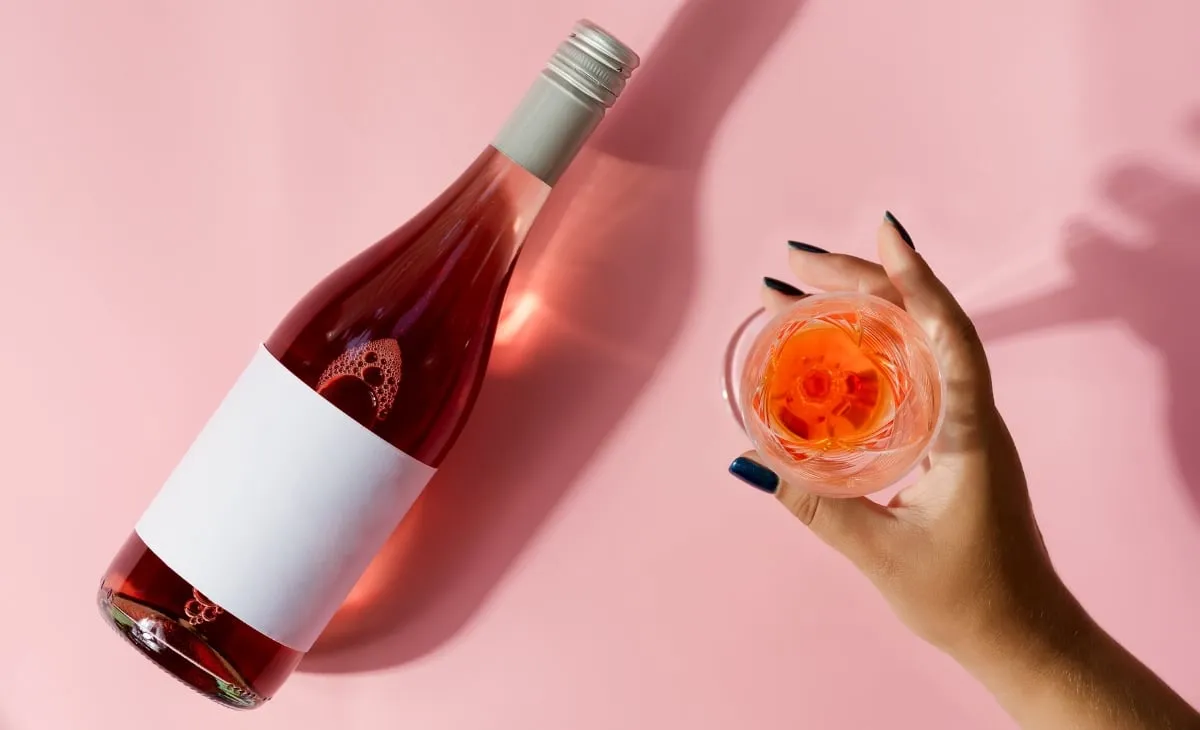
The personality of the wine should be mirrored in the label design. For a robust red, you might choose bold colours and strong typography, while a delicate white could benefit from lighter, more elegant designs. Consider the wine’s taste and texture, if it’s a smooth and sophisticated blend, use refined elements like minimalistic design and subtle colours. Matching the label to the wine’s personality helps set expectations and enhances the overall experience.
Incorporate Unique Details: Stand Out with Special Touches
Add unique details that make your label stand out. This could be anything from a handwritten note to a special seal or embossing. These touches can make your label memorable and create a sense of exclusivity. For instance, a hand-drawn illustration of the vineyard or a custom wax seal can add a personal touch and elevate the label’s appeal.
Tell a Personal Story: Connect with Your Audience
Personal stories resonate with people and can make your label more engaging. Share anecdotes about the winemaking process, the people behind the brand, or special moments related to the wine. This could be a short narrative on the back of the label or a design element that symbolises a significant event. Personal stories create an emotional connection and make the wine more meaningful.
Use Symbolism: Add Depth to Your Design
Symbolism can add layers of meaning to your label design. Choose symbols that relate to the story you want to tell. For example, if your wine celebrates a milestone anniversary, include symbols like a clock or a calendar. Symbols can communicate complex ideas succinctly and add an element of intrigue to your label.
Colour and Typography: Convey Mood and Message
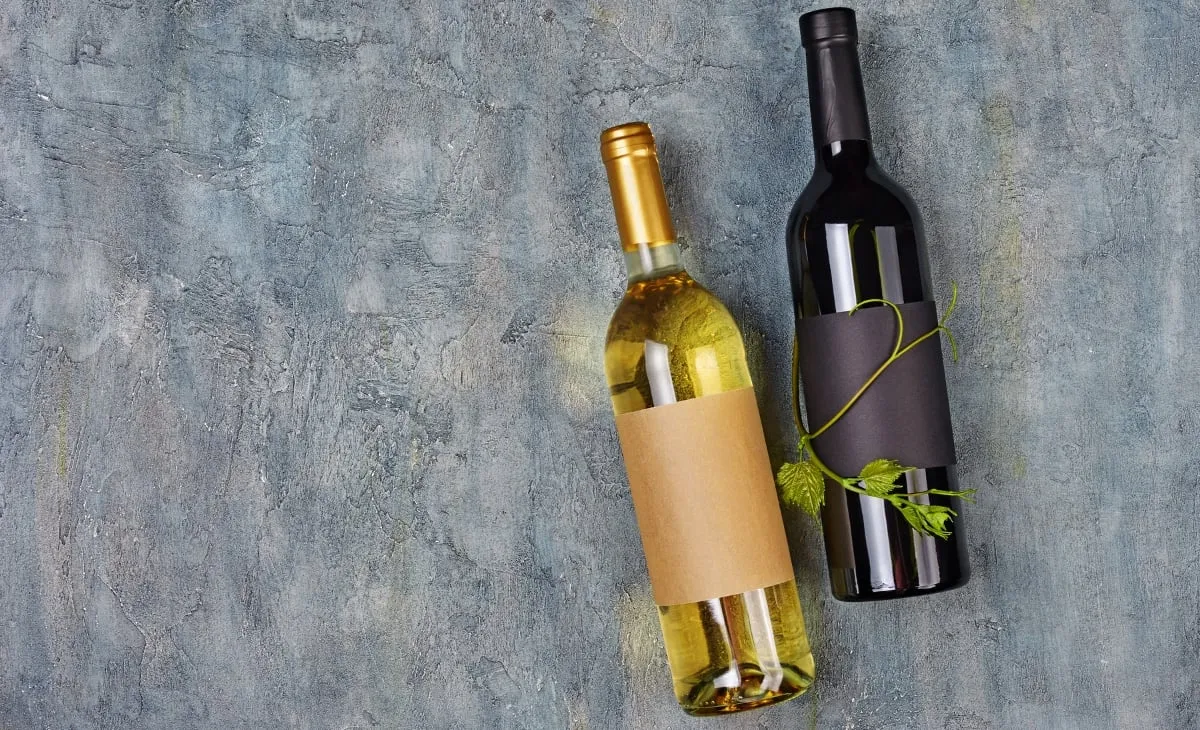
The choice of colour and typography plays a crucial role in storytelling. Colours can evoke emotions, warm tones might suggest richness and depth, while cool tones could imply freshness and lightness. Typography, on the other hand, can convey a sense of tradition, elegance, or modernity. Combining these elements thoughtfully ensures that your label communicates the right mood and message.
Imagery and Illustrations: Visual Storytelling
Imagery and illustrations are powerful tools in label design. They can visually represent the story you’re telling, whether it’s a scenic view of the vineyard, a historical figure, or an abstract representation of the wine’s flavour profile. High-quality illustrations and images capture attention and enhance the narrative, making the label not just informative but also visually compelling.
Keep It Cohesive: Harmonise All Elements
A successful wine label design ensures that all elements work together harmoniously. The story should be conveyed through a cohesive blend of imagery, text, colour, and typography. Avoid cluttering the label with too many elements; instead, focus on a few key aspects that together tell the story clearly and effectively. A well-harmonised label feels balanced and thoughtfully designed.
Crafting Labels with Purpose
Creating a story through your wine label design transforms a simple bottle into a narrative experience. By focusing on the wine’s origin, personality, and unique details, you can craft a label that not only stands out but also connects deeply with your audience. Remember, every label has a story to tell, make sure yours is one that captures the essence of your wine and resonates with those who enjoy it.
Contact
Talk to us about your label
Tell us about the wine, the run size and any deadline you are working to.