
Cultural Influences on Wine Label Designs
Choosing the right wine label design can be a bit like finding a needle in a haystack – tricky, but rewarding when you get it right. We know the struggle all too well; after all, that little sticker on the bottle packs a punch.
Did you know most folks make up their minds on which plonk to buy based simply on the label? Strewth! Our blog’s set to give you the good oil on using cultural vibes to craft ripper labels that sing out from the shelf.
Key Takeaways
- Wine labels heavily rely on cultural cues, with designs often reflecting regional preferences like Europe’s classic symbols or Asia-Pacific’s modern graphics.
- Keeping up-to-date with global trends is vital for wine businesses; eco-friendly packaging and minimalist designs are currently in vogue worldwide.
- The fusion of art and wine labelling is a big hit. Drawing inspiration from various artistic movements can make a label stand out, tell a story, and engage customers emotionally.
- Wine labels aren’t just stickers; they’re marketing tools that convey the producer’s values and hook shoppers by aligning with their tastes and expectations.
- Design cleverness on the bottle can boost sales; an appealing label might be what draws someone to try your drop over another on the shelf.
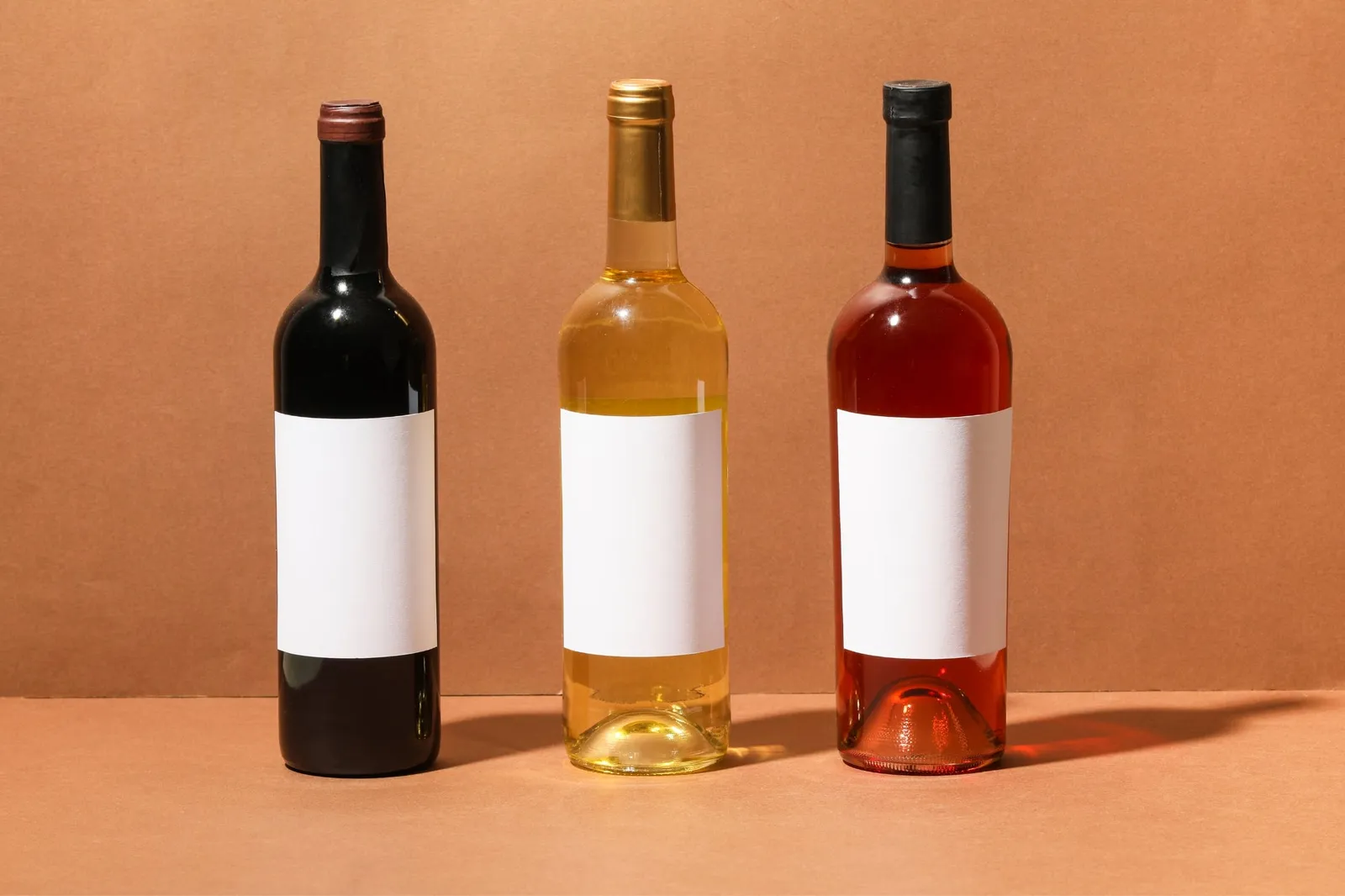
Understanding the Impact of Cultural Influences on Wine Label Designs
When it comes to wine label designs, cultural influences play a significant role in shaping regional preferences and emerging global trends. From the influence of consumer culture to the use of traditional symbols and aesthetics, wine labels are a reflection of the diverse cultural influences from around the world.
Regional preferences for label design
We understand the importance of catering to regional tastes in wine label design. In Europe, for instance, tradition often reigns supreme with labels featuring classic fonts and heritage symbols that reflect a winery’s history and terroir.
These designs tend to emphasise the vintage and vineyard prestige, appealing to consumers who value legacy and authenticity.
Dive into Asia-Pacific markets, and you’ll find a contrasting scene where innovation captures attention. Labels here may showcase bold colours and modern graphics that resonate with a younger demographic keen on uniqueness and contemporary aesthetics.
We ensure these choices connect with cultural motifs relevant to each region, helping your brand stand out on shelves crowded with international options.
Emerging global trends
As wine business owners, it is crucial to stay updated with emerging global trends in wine label designs. Incorporating sustainable and eco-friendly practices in packaging design is becoming increasingly popular.
Consumers are drawn to labels that reflect the producer’s commitment to environmental responsibility. Additionally, minimalist and elegant label designs are gaining traction worldwide.
Embracing clean lines, subtle typography, and understated imagery can appeal to a broad range of consumers in different cultural contexts.
Expanding into international markets calls for an understanding of diverse cultural preferences. Global trends indicate an increasing demand for labels that celebrate diversity and inclusivity.
Influence of consumer culture
Consumer culture heavily influences wine label designs, impacting everything from the choice of colours and imagery to the use of language. As consumers increasingly seek authenticity and sustainability, labels depicting organic practices or natural landscapes are gaining popularity.
The shift towards minimalistic and elegant designs reflects a growing consumer preference for simplicity and sophistication in their wine choices. Additionally, cultural elements such as symbols or traditional motifs play a significant role in shaping consumer perception and influencing purchasing decisions.
Global consumer trends also shape wine label designs, with an increasing emphasis on storytelling through branding. This is evident in the rise of narrative-driven labels that resonate with consumers on an emotional level.
The Relationship Between Wine Label Design and Fine Art
Wine label designs often draw inspiration from fine art, incorporating elements of creativity and aesthetic appeal. From using classic paintings as part of the design to capturing the essence of different artistic movements, wine labels are deeply intertwined with the world of fine art.
Use of creativity and inspiration from fine art
Incorporating creativity and drawing inspiration from fine art can elevate wine-label designs to new heights. By infusing elements of artistic expression into label design, wineries can create a visual story that resonates with consumers on a deeper level.
This approach allows for the fusion of cultural influences, historical references, and symbolic meanings, adding layers of complexity and intrigue to the overall branding experience.
Embracing artistic influences opens the door to endless possibilities in showcasing grape variety, wine region, and the unique character of each product. It also provides an avenue for establishing a distinctive brand identity that stands out in the competitive wine market.
Engaging with fine art not only conveys sophistication but also invites consumers to explore the narrative behind each bottle. Whether it’s drawing from traditional techniques or modern interpretations of art movements, integrating creativity into wine label designs sparks curiosity and captivates potential buyers.
Examples of wine label designs inspired by fine art
We understand that wine label designs take inspiration from fine art, and this can be seen in various examples of wine labels.
- The use of vibrant colours and abstract shapes reminiscent of Picasso’s style on a label for a bold red wine.
- An elegant label featuring intricate calligraphy inspired by the work of classical Chinese artists.
- A label depicting a pastoral scene reminiscent of Monet’s impressionist paintings, evoking a sense of tranquillity and natural beauty.
- The incorporation of geometric patterns and bold lines inspired by the cubist movement gives a modern and avant-garde touch to the label design.
- A label that pays homage to surrealist art with dreamlike imagery, creating an air of mystery and intrigue around the wine.
The Role of Wine Label Design in Marketing and Consumer Perception
Good wine label design can significantly impact sales and consumer perception. It reflects the values of the producer and plays a crucial role in attracting consumers’ attention on crowded shelves.
Importance of a good label design in sales
A captivating label design is crucial for boosting sales and catching the attention of potential buyers. An eye-catching label can set your wine apart from competitors, draw in customers with its visual appeal, and leave a lasting impression.
It’s vital to consider cultural, artistic, and aesthetic influences when creating a wine label as it directly impacts consumer perception and purchasing decisions. Incorporating these elements into your label design can elevate your brand image, convey the values of your product, and establish a strong connection with wine enthusiasts.
To enhance sales figures, investing in a well-thought-out label design that aligns with both global trends and regional preferences is imperative. Embracing creativity inspired by fine art while remaining mindful of consumer culture will give your brand an edge in today’s competitive market.
How label design reflects the values of the producer
The label design of a wine bottle mirrors the core values and ethos of the producer, showcasing their commitment to quality, tradition, or innovation. This visual representation on the label is vital in communicating the brand’s story and establishing a connection with consumers.
By integrating culturally significant symbols, colours, or imagery that resonate with the producer’s values, wine labels not only convey authenticity but also evoke an emotional response from potential buyers.
A captivating label design captures the essence of what sets a particular wine apart from others and reinforces the producer’s dedication to delivering a unique product that aligns with consumer preferences.
Impact on consumer perception
After understanding how label design reflects the values of the producer, it’s important to consider its impact on consumer perception. The aesthetic and cultural influences on wine labels play a significant role in shaping consumers’ perceptions of the product.
Consumers often form initial impressions based on visual appeal, and a well-designed label can attract attention and evoke positive associations with quality and taste.
Additionally, cultural elements incorporated into the label design can resonate with specific consumer demographics, influencing their purchasing decisions. For example, labels that incorporate traditional or regional influences may appeal to consumers seeking an authentic or unique wine experience.
Engage with Different Cultural Influences
In conclusion, cultural influences play a significant role in shaping wine label designs. Consumers’ preferences and regional aesthetics impact the visual representation of wine bottles.
Fine art serves as a wellspring of inspiration for creative label designs that capture attention. Ultimately, these design elements contribute to marketing strategies and consumer perception within the wine industry. Connect with us to witness the dynamic interplay between culture, art, and marketing that ensures wine labels remain an impactful part of the overall product experience.
Contact
Talk to us about your label
Tell us about the wine, the run size and any deadline you are working to.