
Decoding the Art to Understand Symbolism on Wine Labels
Ever found yourself squinting at a wine label, feeling completely out of your depth? Yeah, no worries, you’re not alone. It’s like being lost in a maze of fancy swirls and secret code words.
But guess what? Our guide’s gonna be a real corker – it’ll take the mystery out of all that vino jargon, making your next trip to the bottle-o an absolute ripper of an adventure.
Key Takeaways
- Eyeing off those wine labels is more than just choosing a drop – it’s about uncovering tales and traditions. Knowing your way around the symbols can make you savvier in your selections.
- Those fancy marks ain’t just for show; they’re clues to what’s inside. Kosher signs, vintage years, grape types – they all spill the beans on the vino’s backstory.
- Artistic labels are not just pretty faces; they’ve got pull! They tell stories that can catch your eye and maybe even sway you into taking home a new type of tipple.
- Oi, don’t get thrown by Old World versus New World label lingo. One’s steeped in history and place, the other loves shouting about its grapes and branding.
- Remember that each scribble or emblem on a wine label is packed with purpose. Crack their code, and you’ll chat up wines like a pro at your next shindig!
The Evolution of Wine Labels
Wine labels have come a long way from simple, utilitarian designs to more artistic and visually appealing ones. They have evolved alongside winemaking techniques, reflecting the changing tastes of consumers and the innovative spirit of wine producers.
From simple to artistic
We’ve witnessed a fascinating transformation in wine label design, evolving from straightforward text and minimal visuals to captivating works of art that tell a story. Our industry has embraced this change wholeheartedly, recognising the power of an artistic label not just as a branding tool but also as a form of expression that connects with consumers on an emotional level.
Labels now feature intricate illustrations and unique typography, turning each bottle into a canvas that reflects the spirit and character of the wine within.
This shift towards more aesthetic labels is especially apparent among New World wines, where innovation meets tradition. We’re using symbolic imagery and visual language to communicate our brand’s message directly from shelf to customer.
It’s no longer just about listing appellation in wine or decoding wine label information; it’s about creating an experience before the first sip is even taken. Our bottles stand out for their beauty as much as for the quality they promise, and we see every day how strong design influences buyer choices in an increasingly competitive market.
How labels evolved with winemaking techniques
Winemaking techniques have greatly influenced the evolution of wine labels over time. Advances in winemaking methods prompted changes in label designs, reflecting the developments within the industry.
As winemakers honed their craft and experimented with different approaches, labels adapted to communicate these innovations to consumers. The transformation from simple to more artistic labels mirrored the increasing sophistication of winemaking techniques, showcasing a visual story of progress and creativity.
Crafting wine labels that align with winemaking advancements has become integral in conveying the essence of wine and capturing consumer attention. This dynamic relationship between label design and winemaking techniques not only illustrates the journey of an individual bottle but also offers insights into the broader evolution of wine as an art form.
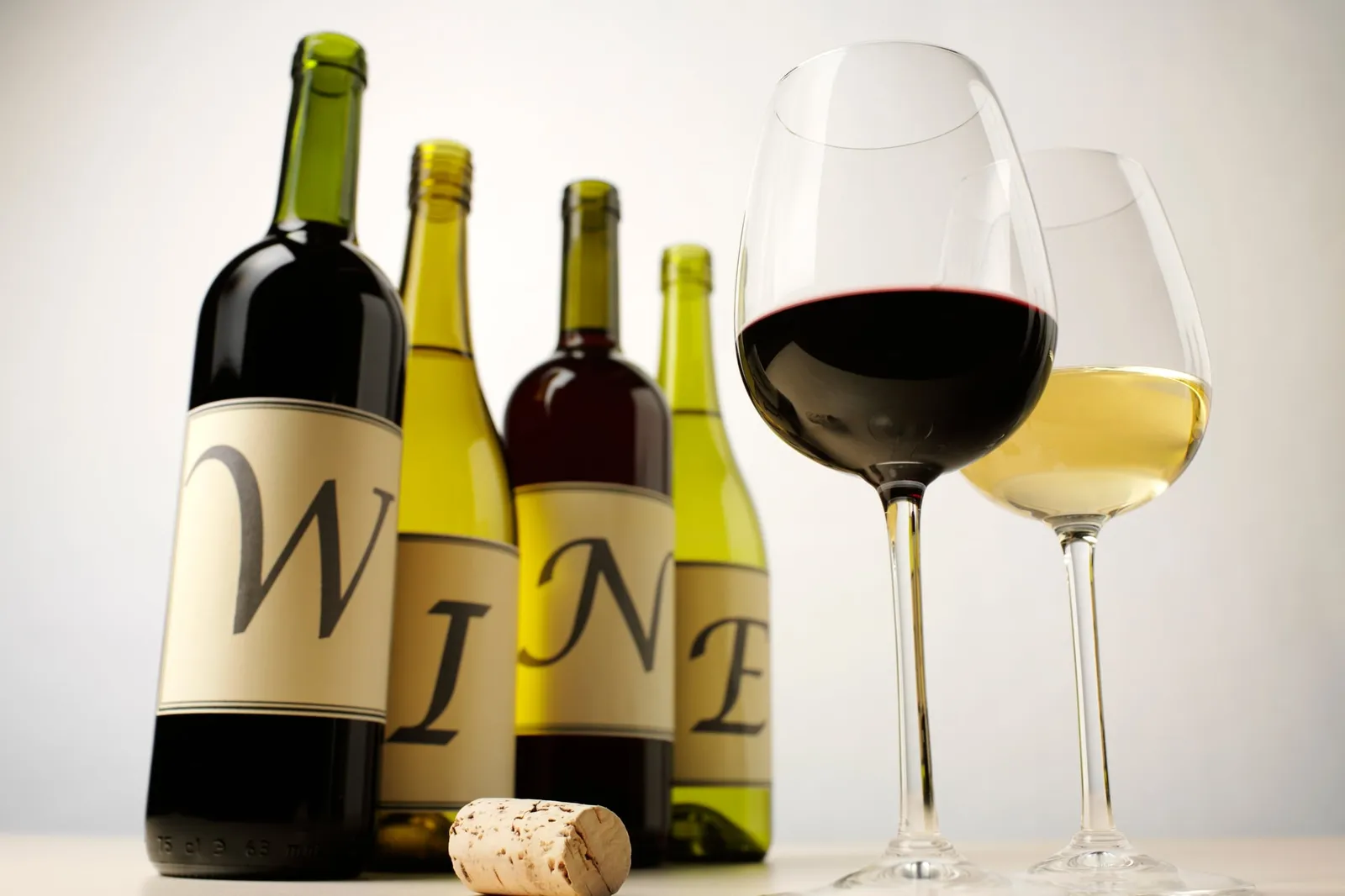
Basic Elements of a Wine Label
When it comes to understanding wine labels, there are several key elements to look out for. From the brand and producer name to the geographical indication and grape variety, each detail holds significance in decoding the symbolism on wine labels.
Understanding these basic elements can help consumers make more informed choices when selecting a bottle of wine.
Brand/producer name
The brand or producer name on a wine label is crucial for establishing credibility and recognition. It communicates the winery’s identity and reputation to consumers, helping them make informed purchasing decisions.
When customers see a familiar brand or producer name, they are more likely to trust the quality of the wine and have confidence in their choice. This makes it essential for wine business owners to ensure that their brand or producer name is prominently displayed on their labels, allowing it to serve as a powerful tool for building brand recognition and loyalty.
Additionally, the placement and design of the brand or producer name can also influence consumer perception. A clear and distinct display of the name can create a lasting impression on potential buyers.
Wine name
The wine name is a critical element on a bottle’s label. It not only identifies the specific type of wine but also serves as an important marketing tool. The name should be memorable and reflective of the wine’s characteristics or story behind it.
For example, using unique names inspired by regional folklore, historical events, or winemaking traditions can make a wine stand out among competitors.
Understanding how to craft an effective wine name that resonates with consumers is essential for branding and sales success. Using descriptive and evocative language in the name can allure potential customers while creating anticipation for tasting the wine itself.
Geographical Indication (GI)
When creating wine labels, it’s crucial to include the Geographical Indication (GI), which denotes the specific region where the grapes used for the wine were grown. This geographical reference communicates a sense of authenticity and terroir, helping consumers understand the unique characteristics of the wine based on its origin.
By highlighting this information on the label, we can effectively convey to our customers the distinct qualities that make our wines stand out in a crowded market.
Understanding and incorporating GI into our wine labels allows us to showcase the regional identity and quality of our wines, empowering consumers to make informed purchasing decisions based on authentic origin.
Emphasising this aspect adds value to our products and builds trust and loyalty with discerning customers seeking genuine and distinctive wine experiences.
Grape Variety
Moving on from understanding the geographical indication (GI) of wine, it’s crucial to grasp the significance of grape variety. The type of grape used significantly impacts the flavour and aroma profiles of wine.
Different grape varieties offer unique characteristics that contribute to the overall taste and style of the wine. For instance, Cabernet Sauvignon is known for its bold tannins and flavours of dark fruits, while Chardonnay often presents buttery or citrusy notes.
Winemakers carefully select specific grape varieties based on their desired outcome for a particular wine. Understanding and highlighting the grape variety on a label can help consumers make more informed decisions about their wine preferences, leading to enhanced customer satisfaction and loyalty in the long run.
Vintage
The vintage on a wine label indicates the year in which the grapes used to make the wine were harvested. This is important as it can provide insights into the weather conditions and grape quality for that particular year.
For instance, a warmer growing season could result in riper and fruitier flavours, while a cooler season might lead to more acidic and structured wines. Understanding vintage variations can help winemakers and businesses communicate the unique characteristics of each wine to consumers, allowing for better marketing strategies based on specific vintages.
Furthermore, highlighting exceptional vintages through labels can attract enthusiasts who are keen on collecting or trying wines from specific years known for producing outstanding quality.
Emphasising standout vintage years allows businesses to showcase their expertise in selecting grapes during optimal climatic conditions, creating an opportunity for them to develop premium products that appeal to discerning customers seeking superior wine experiences.
Decoding Symbolism on Wine Labels
Understanding the meaning behind kosher symbols and indicators of quality and production methods on wine labels. Exploring the differences between labels for Old World and New World wines.
Understanding kosher symbols
Kosher symbols on wine labels indicate that the product has been made by Jewish dietary laws. It assures consumers of the wine’s suitability for those observing kosher dietary practices.
Wine business owners should understand these symbols and consider obtaining certification to expand their market reach. By doing so, they can appeal to a niche market segment that actively seeks out kosher products.
This move can potentially enhance brand reputation and increase sales, highlighting an understanding of diverse consumer preferences within the wine industry.
Indicators of quality and production methods
Understanding the indicators of quality and production methods on wine labels is crucial for wine business owners. These indicators can include information about the winemaking process, such as whether the grapes were organically or sustainably grown if the wine was aged in oak barrels, or if it underwent specific production techniques like malolactic fermentation.
Additionally, details about factors affecting quality, such as alcohol content, residual sugar levels, and acidity are often provided on labels to give consumers a better understanding of what’s inside the bottle.
Deciphering these symbols and terminology can help in effectively communicating the unique selling points of your wines to consumers. Providing clear and concise details about production methods not only enhances transparency but also assists in appealing to customers who value authenticity and quality in their wine selection.
Different labels for Old World and New World wines
Old World wines typically have labels that emphasise the region where the grapes were grown, focusing on tradition and terroir. They often include terms such as “Chateau” or “Domaine,” which highlight the historical significance of the winery.
On the other hand, New World wine labels tend to feature more prominent branding and grape varietals, reflecting a modern and consumer-focused approach. These labels often showcase vibrant imagery and bold typography, aiming to capture attention on crowded shelves.
The distinctions in labelling reflect the different approaches to winemaking in these regions – with Old World wines emphasising heritage, while New World wines prioritise innovation and marketability.
The Impact of Label Design on Consumer Perception
The rise of artistic and unconventional labels has changed the way consumers perceive wine, influencing their purchasing decisions. Label design can affect how a wine is perceived, from its quality to its taste, making it an important aspect for wine businesses to consider.
Rise of artistic and unconventional labels
Wineries are increasingly using artistic and unconventional labels to stand out in a crowded market. These labels often feature unique illustrations, vibrant colours, and creative typography to capture the attention of wine enthusiasts.
By embracing non-traditional designs, winemakers can communicate the personality and story behind each bottle, appealing to a younger demographic seeking new and innovative experiences.
Incorporating unconventional elements into label design allows wineries to break away from traditional norms while showcasing their commitment to creativity and originality. This approach not only attracts consumers looking for adventurous wines but also creates an opportunity for wineries to express their individuality in a visually compelling way.
How label design can affect the perception of the wine
The label design of a wine bottle directly influences how consumers perceive the wine inside. Eye-catching and creative labels can create a sense of excitement and curiosity, drawing customers to pick up the bottle for a closer look.
The visual appeal of the label often sets an initial impression in consumers’ minds about the quality and character of the wine, shaping their expectations before they even taste it.
In addition to aesthetics, label design also communicates important information about the wine, such as the winery’s brand identity, geographical indication, grape variety, and vintage.
Decode the Art in Wine Labels
In conclusion, understanding the symbolism of wine labels allows us to appreciate the rich storytelling and history behind each bottle. Deciphering these symbols opens up a whole new world of wine appreciation, enhancing our overall experience.
As wine enthusiasts, we can now confidently navigate through a sea of labels with a deeper understanding of what’s inside the bottle. Embracing this knowledge adds layers of enjoyment to every sip and elevates our connection to the artistry and craftsmanship in winemaking.
Contact
Talk to us about your label
Tell us about the wine, the run size and any deadline you are working to.