
Designing All Wine Labels for Accessibility
We all get a bit baffled by wine labels, don’t we? You’re not alone in this; plenty of us Aussies are in the same boat. We’ve put together some top tips to help demystify those tricky labels for everyone.
So, keep your eyes peeled and read on; it’s going to be a good one!
Key Takeaways
- Designers create wine labels to stand out and share important information like the type of wine, where it comes from, and what’s in it. They also make sure the labels meet all Australian laws.
- Labels should be easy for everyone to read and understand. This means using clear words, pictures, and even things you can feel with your fingers if you can’t see well.
- Including detailed information about what’s inside the bottle helps people who have food allergies or need specific diet information. This makes choosing a wine safer and easier for them.
- To keep up with changes in rules or consumer needs, investing in technology that helps manage label design and information is crucial. It keeps everything up-to-date without a lot of fuss.
- Wine companies aim to use eco-friendly practices not just because it’s good for the planet but also because customers prefer products that don’t harm the environment.

Importance of Wine Labels
Wine labels play a crucial role in product identification and branding, regulatory compliance, consumer education, and providing allergen and nutritional information. They also serve as a means for market differentiation.
Product identification and branding
Creating standout labels plays a critical role in how we identify and market our wines, ensuring each bottle tells its own unique story. Through careful design, we highlight the wine’s varietal, vintage, and alcohol content, making it easy for customers to pick their favourite or explore new options.
Our labels serve as both a trademark and dress for our bottles, setting them apart on crowded shelves and imprinting our brand identity in the minds of consumers.
We also focus on including mandatory labelling requirements clearly and attractively to meet Australian wine label regulations without compromising our branding efforts. This balance between compliance and creativity is key to enhancing consumer experience while adhering to industry standards.
Regulatory compliance
Turning from the realm of product identification and branding to regulatory compliance, we understand the complexities involved in meeting wine labelling regulations. We believe it is crucial for us to meticulously navigate through the ever-evolving landscape of labelling requirements.
Adhering to these standards not only ensures legal compliance but also underpins our commitment to consumer trust and safety.
Meeting regulatory compliance is essential for maintaining consumer trust and ensuring legal adherence.
Consumer education
To ensure consumer education, we must craft wine labels that offer clear and easy-to-understand information. This encompasses allergen and nutritional details, as well as using language and visuals that are easily comprehensible by all consumers.
We should also consider tactile elements for those with disabilities to enhance inclusivity in our designs.
Our commitment to fostering consumer education through accessible wine labels strengthens our brand’s market presence and supports a more inclusive customer experience. Moving forward, let’s explore how we can further enhance our label accessibility to benefit both our consumers and the business.
Allergen and nutritional information
When it comes to allergen and nutritional information on wine labels, we understand the importance of providing clear and easy-to-understand details for consumers. Including this information not only complies with regulatory requirements but also helps individuals make informed decisions about their purchases.
It is essential to provide legible text, use clear language and visuals, and consider incorporating tactile elements or braille where possible to ensure accessibility for all consumers.
As wine business owners or companies, we should strive towards creating inclusive designs that cater to a diverse range of consumer needs. Ensuring that allergen and nutritional information is readily available in an accessible format can enhance the overall experience for all customers, demonstrating our commitment to inclusivity within the wine industry.
Market differentiation
When considering market differentiation, it’s essential to create wine labels that stand out and attract the target audience. Designing labels that convey a unique brand story and identity can set your products apart from competitors on store shelves.
Emphasising elements such as origin, winemaking techniques, or sustainability practices through label design can help in creating strong market positioning and capturing consumer attention.
In addition to this, using distinct visual elements, typography choices, and colour schemes can aid in establishing a memorable brand identity for your wines. Highlighting these unique selling points effectively on the label will contribute to increasing recognition and preference among consumers who are seeking more than just a standard offering in their wine selections.
Challenges to Wine Label Management
Challenges to managing wine labels include complying with regulations, ensuring accuracy in version control, and streamlining collaboration. It also involves effectively managing costs and waste, adapting to an ever-changing market, integrating digital elements, and navigating the complexities of supply chains.
Regulatory compliance complexity
Managing regulatory compliance can be challenging for wine companies. We need to navigate through a complex web of rules and regulations, ensuring that our labels meet all legal requirements.
Beyond local guidelines, we must also consider international standards when expanding into global markets. Adhering to these complexities is essential for avoiding penalties and maintaining consumer trust in our products.
To tackle regulatory compliance complexity, we must stay informed about the latest requirements and invest in label management software that helps us keep track of changes efficiently.
Embracing digital elements in our labelling process can also streamline compliance efforts by allowing quick updates as regulations evolve.
Version control and accuracy
Managing multiple versions of wine labels and ensuring their accuracy is crucial to the success of our label management process. With various stakeholders, including designers, regulatory teams, and marketing departments involved in label creation, maintaining version control is essential.
It involves tracking changes made to label designs, ensuring that the correct version goes into production, and safeguarding against errors or inaccuracies that can lead to compliance issues or recalls.
Additionally, accurate information on wine labels is vital for consumer trust and satisfaction. By implementing a systematic version control process and prioritising accuracy at every stage of label development, we can enhance efficiency and maintain brand integrity.
To achieve robust version control and ensure accuracy throughout our label management journey, we need streamlined processes with clear responsibilities for each stakeholder involved.
Collaboration bottlenecks
Collaboration bottlenecks can hinder the timely development and approval of wine labels. We often encounter issues with multiple stakeholders providing feedback or making changes simultaneously, leading to confusion and delays.
To streamline this process, we can invest in label management software that allows real-time collaboration, enabling all team members to work on the label design concurrently and track changes efficiently.
Furthermore, clear communication among team members is crucial for efficient collaboration. Embracing digital tools for sharing ideas and feedback helps reduce miscommunication and bottlenecking in the label design process.
Waste and cost management
To effectively manage waste and costs in wine label production, we must streamline our processes and minimise inefficiencies. This involves ensuring accurate version control, optimising material usage, and reducing errors to avoid unnecessary reprints.
By implementing efficient collaboration tools and embracing digital integration, we can enhance communication among team members while reducing the time and resources needed for label revisions.
Moreover, staying informed about regulatory requirements and market trends will help us anticipate changes and make proactive adjustments to minimise waste and expenses.
Adopting sustainable practices not only reduces environmental impact but also presents cost-saving opportunities. By choosing eco-friendly materials and packaging solutions, we can align with consumer expectations for environmentally conscious products while simultaneously minimising production costs.
Global market expansion
Anticipating market expansion is crucial for wine business owners. Adapting to the ever-changing global market landscape ensures our products remain relevant and accessible to a wider audience.
By staying informed about international consumer expectations and regulatory requirements, we can tailor our label designs to encompass diverse needs and preferences. This proactive approach positions us to navigate complexities associated with entering new markets, unlocking opportunities for growth while meeting the evolving demands of the global wine industry.
Investing in label management software that integrates international standards and regulations allows us to streamline the process of adapting labels for different markets. Embracing digital elements makes it easier to update packaging with multilingual information, ensuring we meet the specific requirements of various regions without compromising on design or accessibility.
Additionally, by optimising record-keeping practices tailored towards international operations, we can efficiently manage our supply chain across borders while maintaining compliance and quality assurance.
Nutritional and allergen information
Providing accurate nutritional and allergen information on wine labels is essential for meeting regulatory requirements and ensuring consumer safety. Our commitment to transparency drives us to carefully list all ingredients, including potential allergens, in a clear and understandable manner.
This empowers consumers to make informed choices about the wines they purchase, building trust in our brand while also complying with strict label regulations.
Our dedication to inclusivity means we prioritise making this important information accessible to everyone. From those with visual impairments to individuals with food allergies, we design our labels with legible text and considerate visuals that cater to diverse needs.
Ensuring clear language and incorporating tactile elements not only meets accessibility guidelines but also reflects our unwavering commitment to creating inclusive wine label designs.
Digital integration
To integrate digital technology into wine label management, we recommend investing in label management software to streamline processes and ensure accuracy. This includes embracing digital elements such as QR codes or augmented reality for enhanced consumer engagement.
These solutions can optimise record-keeping and provide a more efficient way to manage regulatory compliance complexities.
Furthermore, the adoption of digital integration will also enable wine companies to anticipate market expansion by leveraging online platforms and e-commerce channels. By incorporating digital tools for supply chain visibility and collaboration, we can seamlessly address changing consumer expectations and navigate the complexities of an ever-evolving global market.
Moreover, when it comes to providing clear nutritional information and allergen details on labels, digital integration allows for tailored content that meets Australian wine label requirements while staying adaptable towards international standards.
Record keeping and audit trails
Maintaining comprehensive record-keeping and audit trails ensures transparency and accountability throughout the wine label management process. We track every change made to the labels, ensuring accuracy and compliance with regulatory standards.
Our robust system captures all modifications, providing an audit trail for each label iteration. This meticulous approach enhances our ability to manage complexities effectively and adapt to ever-evolving regulatory requirements.
Additionally, we integrate digital solutions for seamless record-keeping, allowing us to efficiently access historical data when needed. By embracing this tailored approach towards record management, we can swiftly navigate the ever-changing realm of wine labelling guidelines while maintaining a consumer-centric focus.
Supply chain complexity
Managing supply chain complexity is critical for efficient wine label management. Ensuring seamless coordination between suppliers, manufacturers, distributors, and retailers is vital to meeting market demands and regulatory requirements.
Utilising advanced label management software can streamline the procurement process, enhance transparency across the supply chain, and facilitate accurate information exchange. Implementing robust digital integration into the supply chain can provide real-time visibility into inventory levels, production statuses, and distribution timelines to optimise operational efficiency.
By embracing a consumer-centric approach in our supply chain processes, we can better anticipate market expansion opportunities and changing consumer expectations. Identifying potential bottlenecks early on allows us to proactively address challenges related to waste management, cost control, and global market complexities.
Adaptable collaboration methods within the supply chain also play a pivotal role in maintaining agility while navigating intricate regulatory landscapes and ensuring compliance with evolving industry standards.
Changing consumer expectations
Consumers now demand more transparency and accessibility when it comes to wine labels. They are seeking more than just basic information; they want detailed nutritional and allergen data, clear language, and easy-to-understand visuals.
Meeting these expectations is essential for building trust with consumers and staying ahead in the market. As industry professionals, we must stay consumer-centric by embracing changes and continuously improving our labels to meet evolving consumer needs.
With changing consumer expectations shaping the wine industry landscape, we must adapt our approach to label design. By addressing these shifting demands head-on, we can position ourselves as leaders in providing accessible and informative wine labels that cater to a diverse range of consumer needs.
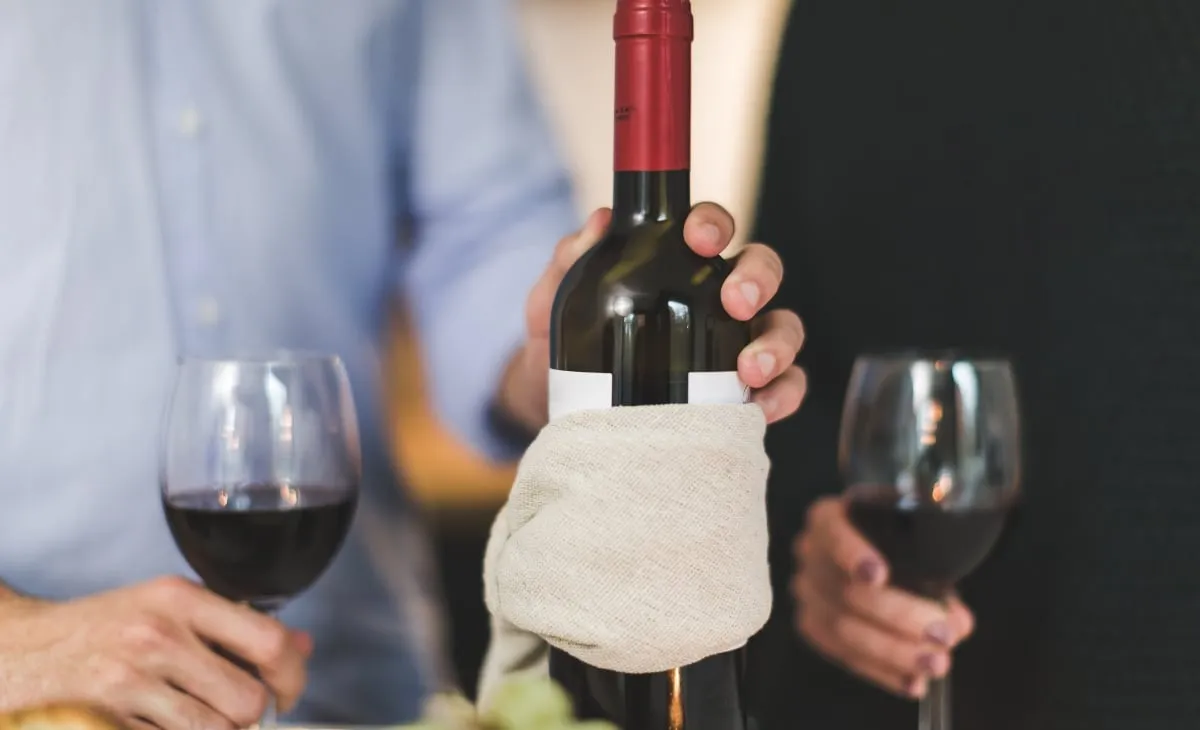
How To Improve Wine Label Accessibility?
Improving wine label accessibility involves investing in label management software, staying informed and adaptable, fostering efficient collaboration, reducing waste and costs, embracing digital optimisation, anticipating market expansion, and staying consumer-centric.
Investing in label management software
Investing in label management software streamlines the process of label creation, review, and approval, enhancing efficiency across our operations. With this software, we can create a centralised database for labels and packaging artwork, ensuring version control and accuracy while reducing waste.
We can optimise supply chain complexity by integrating digital elements and maintaining regulatory compliance. This investment empowers us to anticipate market expansion with ease, keep up with changing consumer expectations, and stay consumer-centric in our approach.
By implementing label management software, we can proactively address challenges related to record-keeping and audit trails while embracing digital solutions for all aspects of wine label design and production.
Staying informed and adaptable
To stay informed and adaptable in the world of wine label accessibility, it’s crucial for us to keep an eye on industry trends. We need to regularly research and monitor changes in regulations, consumer preferences, and technological advancements.
This proactive approach helps us anticipate shifts in the market and adapt our packaging strategies accordingly.
We also value staying connected with industry peers and attending relevant conferences or workshops. Networking with other wine business owners can provide valuable insights into best practices, emerging design trends, and innovative solutions for accessible packaging.
Efficient collaboration
To enhance efficient collaboration, our team advocates for streamlined communication and coordinated efforts across all departments. This approach fosters a cohesive workflow, ensuring that everyone is on the same page and working towards common objectives.
By implementing collaborative tools and establishing clear lines of communication, we can expedite decision-making processes and resolve any issues promptly.
Effective collaboration not only maximises productivity but also encourages creativity and innovation within the wine label accessibility realm. Let’s strive to integrate agile practices into our collaborative efforts, ultimately propelling us forward as leaders in accessible wine packaging design.
Reducing waste and costs
To reduce waste and costs, we implement efficient label management software to streamline processes. This investment enables us to minimise errors and regulatory compliance complexity while optimising version control.
By embracing digital elements, we enhance collaboration and lessen material waste. It also allows us to anticipate market expansion more effectively, contributing to reduced operational costs.
Moreover, by staying informed and adaptable, we can make data-driven decisions that help in cost-reduction strategies across the supply chain. These initiatives serve not only our business but also demonstrate our commitment to sustainable practices in the wine industry.
Embracing digital elements
We integrate digital elements into our wine label accessibility strategy to enhance traceability, transparency, and consumer engagement. Implementing QR codes or RFID technology allows us to provide real-time information on provenance, production methods, and allergens.
This not only fosters trust with consumers but also meets regulatory requirements for transparent labelling. Moreover, leveraging digital platforms enables us to adapt swiftly to changing regulations and consumer demands by updating label information seamlessly and efficiently.
Incorporating digital elements can revolutionise our approach to market expansion as well. By embracing e-commerce integrations and online platforms, we can connect directly with consumers while catering to their evolving preferences and expectations.
Optimising record-keeping
To optimise record-keeping, we invest in label management software that effectively organises and stores crucial data. This software helps us maintain accurate and updated information for regulatory compliance as well as consumer education.
We also ensure efficient collaboration within our team to streamline the record-keeping process, reducing errors and improving accuracy.
Furthermore, we stay adaptable by embracing digital integration, which aids in creating audit trails and managing supply chain complexities effectively. By staying proactive in anticipating market expansion and tailoring our record-keeping processes towards changing consumer expectations, we can enhance our overall wine label accessibility.
Now let’s explore how we design for all to ensure inclusivity in our wine packaging.
Anticipating market expansion
To successfully prepare for market expansion, we actively research emerging consumer trends and preferences to adapt our wine labels accordingly. We regularly communicate with industry experts and keep a pulse on global markets to understand new regulations and requirements.
By staying open-minded to evolving consumer expectations and embracing innovation, we position ourselves strategically in the competitive landscape.
In addition, we proactively evaluate our supply chain capabilities for potential growth areas and tweak label designs to cater to diverse international audiences. Embracing digital integration allows us to reach broader demographics, ensuring that our labels remain relevant as we expand into new markets.
Staying consumer-centric
To ensure that wine labels are accessible and consumer-friendly, we always consider the needs and preferences of our target audience. We actively seek feedback from consumers to understand their expectations, concerns, and suggestions regarding wine label design.
By staying informed about changing consumer behaviours and preferences, we can tailor our wine labels to enhance readability and accessibility for all consumers.
Our commitment to being consumer-centric drives us to create wine labels that cater to a diverse range of individuals. This means incorporating clear language, legible fonts, and easily understandable visuals on our labels.
Our aim is to provide an inclusive experience for all consumers by considering disabilities and incorporating tactile elements where possible.
Moving forward with this approach ensures that our wine labels are not only compliant but also resonate with consumers’ expectations in an ever-evolving market.
Designing for All
Design wine labels that are legible and considerate of different abilities, including clear language, visuals, and tactile elements. For more insights on this topic, continue reading the full article.
Legibility
When designing wine labels, it is crucial to prioritise legibility. Clear and easy-to-read text ensures that consumers can quickly grasp important information about the product. Utilising high-contrast colour combinations, simple fonts, and adequate font sizes will enhance readability for all consumers, making your wine label more accessible and user-friendly.
Consider incorporating braille or tactile elements on your wine label to cater to visually impaired consumers. This inclusive approach demonstrates a commitment to accessibility and ensures that everyone can engage with your brand without barriers.
By focusing on legibility in design, you can create an inclusive experience for all customers, reinforcing your brand as one that values accessibility and inclusivity.
Consideration for disabilities
When designing wine labels, it is crucial to consider disabilities. Ensuring legibility is essential, with clear fonts and appropriate font sizes for easy reading. Additionally, incorporating braille on wine labels can make a significant impact in making the information accessible to individuals with visual impairments.
Furthermore, using high-contrast colours and clear visuals will aid those with colour vision deficiencies. Consideration for disabilities encompasses creating an inclusive design that allows all consumers to engage with your product easily.
Incorporating tactile elements, such as embossed or raised features, can also improve accessibility for consumers with visual impairments or tactile sensitivities. Mfeatures, using clear language and straightforward information, ensures that everyone, regardless of ability, can understand the content on the label.
Clear language and visuals
When designing wine labels, it’s crucial to ensure that the language and visuals are clear and easy to understand. Using simple, straightforward language and incorporating visually appealing designs can make a significant difference in making your wine label accessible to all consumers, regardless of their level of literacy or any visual impairments they may have.
This approach not only meets regulatory requirements but also enhances the overall user experience.
Consider including high-contrast colours for text and background, using large font sizes for readability, and implementing tactile elements like embossed lettering or Braille where applicable.
Easy-to-understand information
When it comes to creating accessible wine labels, clear language and visuals are fundamental. It is essential to ensure that the information provided on the labels is easy to understand for all consumers.
This involves using simple and descriptive language, as well as easily recognisable symbols and graphics. By incorporating straightforward terminology and straightforward visuals into your wine packaging, you can enhance accessibility for a wider range of individuals, ultimately improving the overall consumer experience.
In addition to clear language and visuals, enhancing wine label accessibility requires a conscious effort towards legibility and inclusivity in design. Prioritising readability through larger font sizes, high contrast colours, and Braille inclusion if possible will cater to diverse customer needs while promoting universal accessibility standards within graphic design for wine labels.
Incorporating tactile elements
When designing wine labels, we consider not only easy-to-understand information but also incorporating tactile elements. Tactile elements, such as embossed or textured surfaces can enhance accessibility for individuals with visual impairments.
Braille inclusion in wine packaging is another tactile element that ensures inclusivity and compliance with accessibility guidelines. By considering these tactile elements, we create universally designed wine labels that cater to a wider audience.
Incorporating tactile elements goes beyond visual appeal; it contributes to making wine packaging more inclusive and accessible. Thinking about the diverse needs of consumers is crucial when aiming to design for all.
Adhering to colour contrast guidelines
Adhering to colour contrast guidelines ensures that all consumers can easily read and understand your wine labels. The high colour contrast between text and background makes important information stand out, aiding individuals with visual impairments.
This simple adjustment enhances legibility for everyone, contributing to a more inclusive label design. By prioritising strong colour contrast, we make our labels accessible to a wider audience while maintaining brand identity and creativity in label design.
Improve Your Wine Label Design for Accessibility
Improving wine label accessibility is crucial, as it ensures that everyone can easily access and understand the information on the packaging. Designing for all means considering legibility, incorporating tactile elements, and using clear language and visuals to communicate essential details effectively.
It’s about creating labels that are easy to read and comprehend for consumers with different abilities or disabilities. By embracing universal design principles in wine label accessibility, we can make a positive impact on inclusivity within the industry. Contact us to learn how we can help you design wine labels that are accessible and inclusive for all consumers.
Contact
Talk to us about your label
Tell us about the wine, the run size and any deadline you are working to.