
Digital Trends in Wine Label Marketing
Struggling to make your mark in the bustling wine market? We understand; it’s a path we’ve trodden ourselves, discovering along the way that most punters are swayed by what’s on the label.
This blog is your go-to guide for navigating through the latest digital trends in wine label marketing, giving your brand that glimmer of difference you’re chasing. Keen on a bit of a shake-up?
Key Takeaways
- Winemakers now prefer modern and minimalist designs for their labels, focusing on simplicity to let the wine’s quality shine. This trend towards clean lines and minimal graphics helps brands stand out.
- Emphasising natural elements in label design connects with consumers who value authenticity and environmental sustainability. Using earthy tones, organic imagery, and materials like sustainable paper can attract those interested in eco-friendly products.
- Innovative material effects such as unique textures and embossing add a luxury feel to wine labels, making them more engaging for customers.
- Viewing labels as pieces of art by incorporating creative illustrations or vibrant colours can create an emotional connection with buyers, influencing their purchasing decisions.
- Augmented reality, personalisation through technology, and integrating e-commerce into wine labels are becoming essential to provide immersive experiences that increase consumer engagement and drive sales online.
Emerging Trends in Wine Label Design
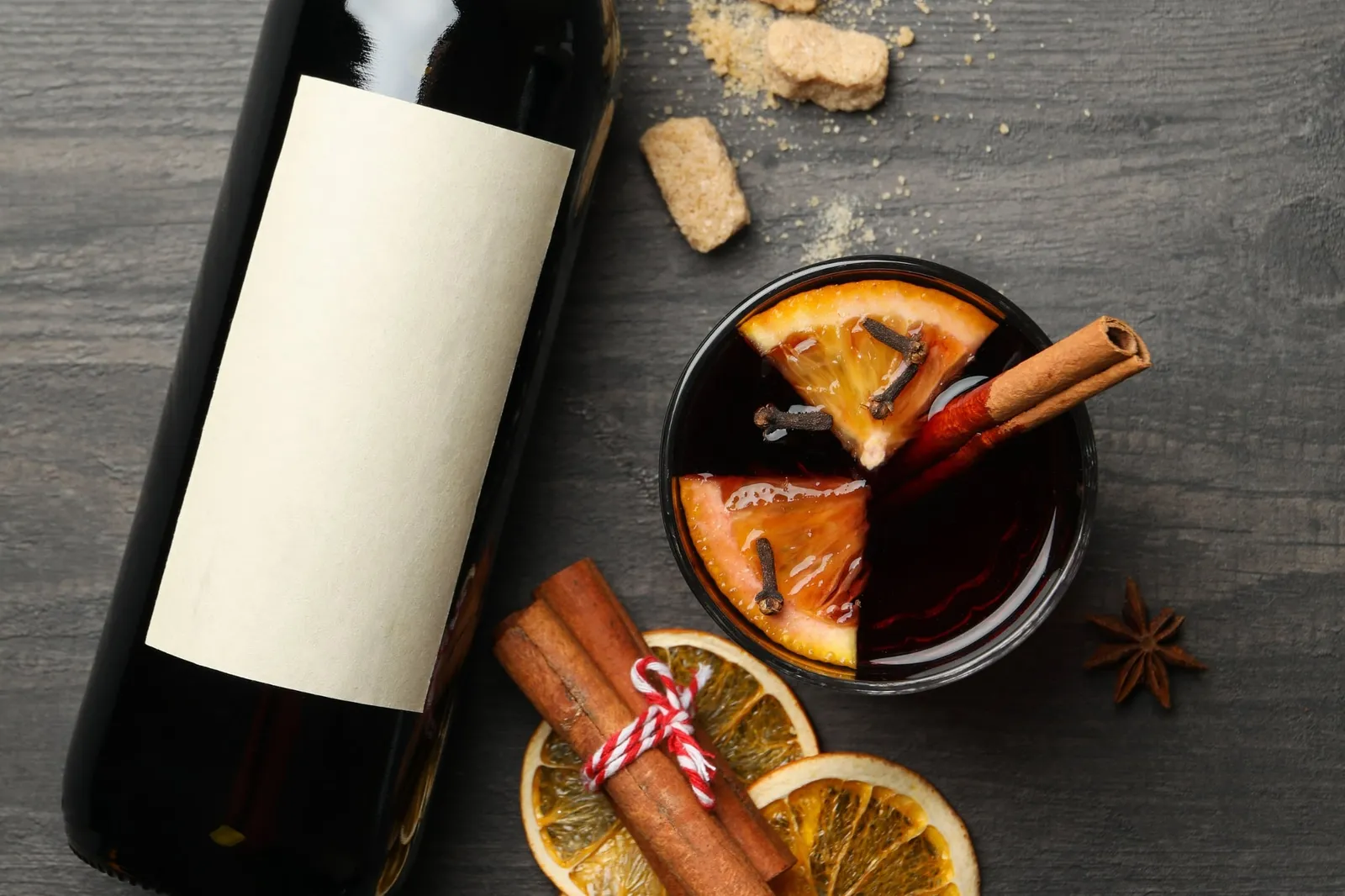
Winemakers are embracing modern and minimalist label designs, focusing on clean and simple aesthetics. They also emphasise the natural elements, using earthy tones and organic imagery to reflect the wine’s origins.
Modern and minimalist
We’ve noticed a significant shift towards modern and minimalist wine label design trends in the market. This approach focuses on simplicity, using clean lines and minimal graphics to capture attention.
It’s all about letting the quality of the wine speak for itself without overwhelming consumers with too much visual information. By embracing this trend, we ensure our products stand out on crowded shelves and appeal directly to those seeking elegance and purity in their wine choices.
Incorporating minimalist designs into our labels also reflects a broader trend across digital branding efforts within the wine industry. We use simple colour schemes and straightforward typography to convey our brand’s message effectively.
This strategy not only enhances the perceived value of our wines but also aligns seamlessly with digital marketing strategies aimed at reaching consumers who appreciate sophistication in both taste and appearance.
Emphasising the natural
In wine label design, emphasising the natural aspects of the product can create a strong connection with consumers. Using earthy tones and organic imagery evokes a sense of authenticity and quality, appealing to those seeking a more genuine experience.
By incorporating elements such as vineyard landscapes or hand-drawn illustrations of fruits and botanicals, wineries can communicate their commitment to sustainable practices and natural ingredients, aligning with the increasing consumer interest in environmentally conscious products.
Highlighting the natural characteristics through label design also reflects transparency and honesty, conveying a message that resonates with modern consumers who value authenticity over artificiality.
Material effects
Wine labels that incorporate material effects can captivate consumers and set products apart on the shelf. Unique textures, embossing, or specialty finishes like foil stamping can create a tactile experience that engages customers and communicates luxury.
By integrating these material effects into wine label design, companies can elevate their branding and visually convey the quality of their product. Utilising keywords such as “wine packaging trends” and “wine production technology” in your label materials ensures that your product stands out from the competition.
Crafting wine labels with innovative materials offers an opportunity to tell a compelling visual story about your brand’s values and commitment to excellence. Incorporating natural elements like sustainable paper or recycled materials in wine label design not only aligns with consumer preferences for eco-friendly products but also reflects positively on your company’s environmental responsibility.
Approaching labels as art
Approaching wine labels as art involves embracing creativity and innovation to stand out in a competitive market. Incorporating artistic elements such as unique typography, hand-drawn illustrations, or vibrant colours can capture consumers’ attention and make a lasting impression.
By infusing the label with artistic flair, winemakers can elevate their brand identity and create an emotional connection with consumers, ultimately influencing purchasing decisions.
Implementing creative designs that reflect the essence of the wine can convey a compelling story and evoke curiosity. Engaging visual aesthetics paired with meaningful messaging can enhance the overall appeal of the product, making it more memorable for consumers.
Embracing labels as art presents an opportunity for wine businesses to differentiate themselves in a crowded marketplace and leave a lasting impact on potential buyers. Exploring innovative label design concepts allows wine businesses to tap into consumers’ emotions while showcasing their brand distinctiveness.
Quirky and memorable
Creating a quirky and memorable wine label can set your brand apart in a crowded market. Incorporating unique illustrations, witty copywriting, or unexpected design elements can leave a lasting impression on consumers.
By infusing personality into your label, you can connect with customers on an emotional level and enhance brand recall. Utilising vibrant colours, playful fonts, or unconventional shapes can also make your wine stand out on the shelf and attract attention.
Incorporating humour or storytelling into your label design can captivate consumers and create a sense of intrigue around your product. Whether it’s through clever wordplay, whimsical imagery, or cultural references, making your label stand out as something different and memorable is key to attracting interest from potential buyers.
Incorporating Technology in Wine Labels
Wine labels are now equipped with interactive elements and augmented reality, providing consumers with an immersive experience. Personalisation and e-commerce integration have redefined how wine labels engage with tech-savvy consumers.
Interactive elements
When considering the trends in wine label marketing, incorporating interactive elements is essential. Consumers are seeking unique and engaging experiences, and interactive labels can provide just that.
By integrating augmented reality, personalisation, and e-commerce capabilities into wine labels, wineries can create a more immersive and dynamic connection with their customers.
Augmented reality allows for virtual wine-tasting experiences right from the label itself, while personalisation options enable consumers to feel a deeper connection with the brand.
E-commerce integration on labels also lets customers conveniently make purchases directly through the label. Embracing these digital trends in wine label marketing ensures that wineries stay ahead in engaging tech-savvy consumers who seek interactive and innovative experiences.
Augmented reality
Incorporating augmented reality into wine labels can provide an interactive and immersive experience for consumers. This technology allows customers to use their smartphones or tablets to scan the label and unlock engaging content such as virtual tours of the vineyard, the winemaking process, or even suggested food pairings.
By leveraging augmented reality, wine companies can create a unique and memorable way for consumers to connect with their brand, ultimately increasing consumer engagement and brand loyalty.
By incorporating augmented reality into wine labels, businesses have the opportunity to stand out in a crowded marketplace while delivering an innovative and educational experience that resonates with modern consumers.
Personalisation
As we delve into the world of wine label marketing, it’s crucial to recognise the power of personalisation in connecting with today’s consumers. By leveraging technology and customer data, we can create tailored experiences that resonate on a deeper level.
From using augmented reality to allow customers to personalise their labels with special messages or images, to integrating e-commerce platforms that offer personalised recommendations based on past purchases, the possibilities are endless.
Embracing personalisation not only enhances brand loyalty but also allows for valuable insights into consumer preferences and behaviours.
In addition to technological advancements, embracing personalisation extends beyond digital interfaces. Incorporating hand-written notes or unique packaging elements adds an extra layer of intimacy and connection with consumers.
E-commerce integration
To maximise wine sales, integrating e-commerce into our marketing strategy is essential. By offering a seamless online purchasing experience, we can reach a wider audience and cater to changing consumer preferences.
Utilising digital platforms enables us to showcase our unique label designs and engage with customers in real-time. Embracing e-commerce also allows for personalised promotions and targeted advertising, enhancing brand visibility and driving direct sales.
Incorporating secure online payment options ensures convenience for customers while providing valuable data insights for ongoing marketing optimisation.
Furthermore, by establishing an efficient e-commerce system, we can streamline the ordering process and provide superior customer service. Implementing mobile-responsive design and integrating social media sharing options enhance accessibility and expand our digital presence across various platforms.
The Changing Role of Social Media in Wine Label Marketing
Wine companies are now educating consumers through social media, collaborating with influencers and engaging with them in real time. Check out the article for more insights on the evolving role of social media in wine label marketing.
Educating consumers through social media
We can educate consumers through social media by sharing informative and engaging content about wine production technology, vineyard management, and winemaking trends.
Collaborating with influencers
Collaborating with influencers can boost your wine label marketing by increasing brand visibility and credibility. Here are some ways you can effectively collaborate with influencers:
- Create partnerships with relevant wine and lifestyle influencers who align with your brand values and target audience. This will help to reach potential customers who are genuinely interested in your products.
- Engage influencers in creative content collaborations such as hosting tasting events, creating video reviews, or developing exclusive recipes using your wines. This can provide authentic and engaging content for their followers.
- Leverage influencer-created content across social media platforms to amplify your brand’s reach and engagement, making use of hashtags and mentions to increase exposure.
- Offer influencer-exclusive promotions or giveaways to drive traffic to both the influencer’s profile and your wine products, boosting sales and brand awareness.
- Consider long-term partnerships with influencers to establish ongoing relationships that could lead to greater trust and loyalty from their followers over time.
Real-time engagement with consumers
Engaging with consumers in real time is crucial for building a strong brand presence and fostering customer loyalty. This can be accomplished through various strategies:
- Responding promptly to comments and messages on social media platforms can create a sense of connection and responsiveness.
- Hosting live Q&A sessions or virtual tastings allows for direct interaction with customers, providing an opportunity to address inquiries and share knowledge about your products.
- Utilising push notifications via mobile apps or messaging platforms can keep customers informed about special offers, events, or new releases in real-time.
- Implementing chatbots on websites or social media channels provides instant support and information to customers, enhancing their overall experience.
- Monitoring and leveraging user-generated content such as reviews, photos, and videos allows companies to engage with their audience authentically and build a community around their brand.
Keeping Up with Changing Consumer Preferences
Adapting to changing consumer preferences requires understanding the impact of generational changes and focusing on personalisation and experience. Embracing health and wellness trends is essential for staying relevant in today’s wine market.
Impact of generational changes
Consumer preferences are evolving as generational changes shape the wine market. Younger consumers, particularly Millennials and Gen Z, seek personalisation and unique experiences.
They value authenticity and sustainability, creating opportunities for brands to connect with them through storytelling and transparent practices. Wine companies can adapt by embracing eco-friendly packaging, incorporating technology into labels, and engaging with consumers on social media to communicate brand values.
To appeal to younger demographics, wine businesses must understand the influence of health and wellness trends on consumer choices. With a focus on balance and well-being, there is an opportunity for wineries to promote their products as part of a holistic lifestyle rather than just a beverage choice.
Focus on personalisation and experience
As we adapt to the impact of generational changes, wine businesses need to focus on personalisation and experience. Tailoring products and experiences to individual preferences can create a deeper connection with consumers, leading to increased loyalty and satisfaction.
This might involve offering custom label designs or interactive elements on the packaging that allow customers to engage with your brand uniquely. Embracing technology such as augmented reality or personalised e-commerce integration will enable wine companies to provide an immersive and tailored experience for their target audience.
In addition, creating memorable experiences through winery tours, tasting events, or educational workshops can further enhance consumer engagement. Incorporating health and wellness trends into product offerings can also appeal to modern consumers seeking healthier options without sacrificing quality or taste.
Embracing health and wellness trends
To further enhance the consumer experience, embracing health and wellness trends is crucial in wine label marketing. Incorporating organic and sustainable messaging into your wine labels can appeal to health-conscious consumers.
Utilising keywords such as “natural,” “organic,” and “sustainable” in label designs can resonate with environmentally conscious individuals searching for healthier beverage options.
Highlighting nutritional information on wine labels also caters to consumers seeking transparency about what they consume. Additionally, considering packaging materials that are eco-friendly and recyclable demonstrates a commitment to both health and environmental wellness, aligning with the preferences of modern consumers.
Catch Up with the Trends in Wine Labels
As we look ahead to the future of wine label marketing, it’s clear that modern and minimalist designs, emphasis on natural elements, material effects, artistic approaches, and quirky labels are redefining the industry. Visit us today for a fantastic wine label.
Technology is becoming increasingly integrated with interactive features, augmented reality experiences, personalised touches, and seamless e-commerce integration. Social media continues to play an integral role in educating consumers, collaborating with influencers, and fostering real-time engagement.
Understanding evolving consumer preferences related to generational shifts, personalisation demands, and health trends will be crucial for staying relevant. The dynamic landscape of digital trends in wine label marketing presents new opportunities to captivate audiences through innovative strategies and creative storytelling.
Contact
Talk to us about your label
Tell us about the wine, the run size and any deadline you are working to.