
Futuristic Trends in Wine Label Technology
Keeping up with the latest trends in wine label technology can be a bit of a task, can’t it? We reckon most punters are swayed by a bottle’s label when they’re picking out their plonk.
After doing our homework, we’ve stumbled across some ripper innovations that are set to change the game in how we engage with and enjoy our wines. Brace yourselves to crack into the future of wine labels!
Key Takeaways
- Wine labels are getting a high-tech makeover with augmented reality, offering drinkers the chance to see virtual animations of vineyards or learn about the winemaking process through their smartphones. This technology adds an interactive layer to wine shopping and helps brands stand out.
- The introduction of biometric scanners in vending machines is simplifying how customers buy wine. By just using a fingerprint, shoppers can quickly pick up their favourite bottle, blending convenience with advanced security measures.
- Exploring mixed-reality experiences invites consumers into immersive virtual tours of vineyards or tasting events from the comfort of their homes. These technologies are making wine education and enjoyment more accessible than ever before.
- AI algorithms are revolutionising winemaking by predicting the best conditions for grape growing and fermentation processes. This not only ensures top-quality wines but also allows for customisation according to consumer tastes.
- The industry is moving towards sustainability with eco-conscious practices like employing drones for deliveries and using environmentally friendly packaging materials. These trends show how technology supports both quality improvement and environmental responsibility in winemaking.
Changes in the Wine Industry Due to Technology
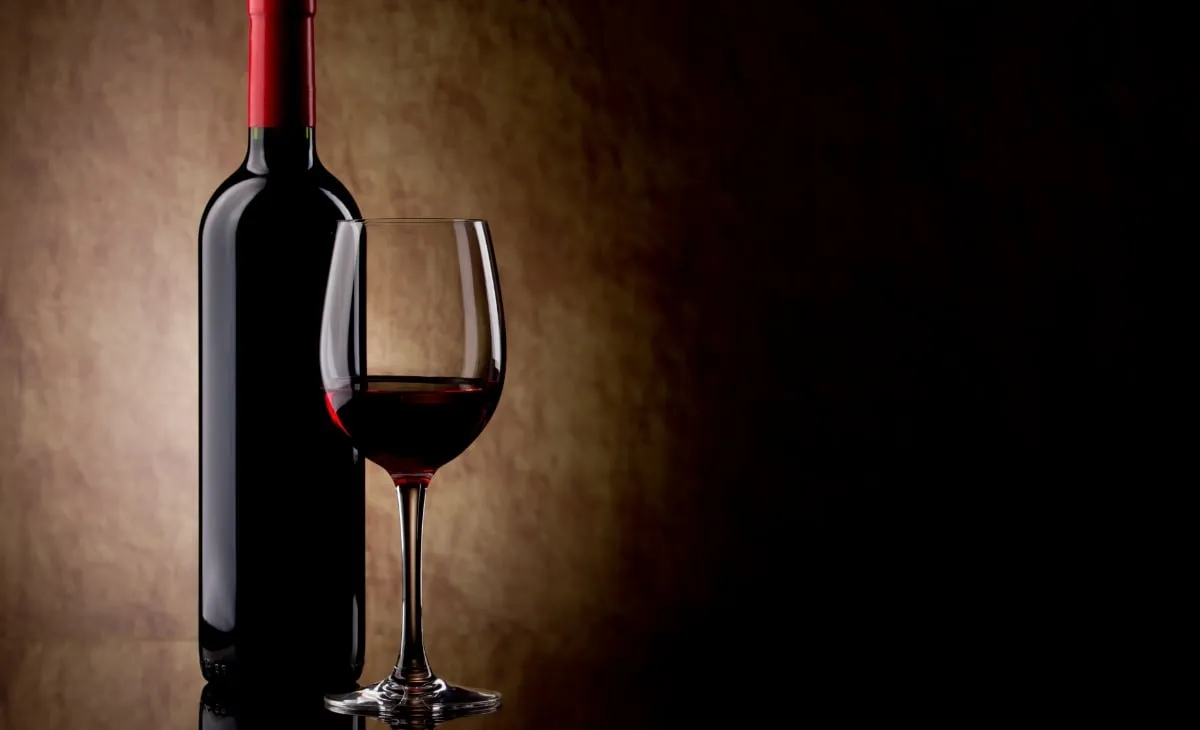
Technology has dramatically impacted the wine industry, revolutionising vineyard practices and responding to the challenges posed by climate change and sustainability trends. The application of innovative technology in winemaking has propelled precision techniques and sustainable practices, shaping the future trajectory of the industry.
Vineyard technology
We’re keeping a keen eye on the latest vineyard technology, always searching for ways to improve our wine production. Precision techniques in winemaking have made a significant leap forward, thanks to innovative advancements such as high-tech weather manipulation and robotic vineyard management.
These tools allow us to create the perfect conditions for growing grapes, ensuring that every vintage is top-notch.
Sustainability in winemaking is another crucial area where technology plays a pivotal role. We’ve adopted sustainable practices that not only benefit the environment but also enhance the quality of our wines.
From water conservation methods to eco-friendly pest control, modern vineyard technology is reshaping how we think about winemaking from the ground up. As we continue to explore these technological wonders, let’s shift our focus towards understanding how climate change impacts our industry.
Impact of climate change
The impact of climate change affects every aspect of winemaking. Changes in temperature and weather patterns directly influence grape quality and yield. Sustainable winemaking practices, like responsibly managing water usage and reducing carbon emissions, are crucial to adapting to the ever-changing climate conditions.
Adopting innovative vineyard technology that can withstand extreme weather events is essential for the future of winemaking.
Adapting to climate change is a collective effort that requires proactive measures from all players in the wine industry.
Sustainability trends
Winemaking technology has evolved, embracing sustainability trends that are shaping the future of the wine industry. We have seen an increasing focus on environmentally friendly practices and materials, with wineries making efforts to reduce their carbon footprint and minimise waste in the production process.
From using sustainable packaging materials to implementing energy-efficient technologies in vineyards, the industry is moving towards a more eco-conscious approach.
Additionally, we are witnessing a shift towards organic and biodynamic farming methods, reflecting a commitment to preserving natural resources while producing high-quality wines. The adoption of sustainable practices not only appeals to environmentally conscious consumers but also contributes to building a positive brand image for wineries.
As we look ahead, sustainability will continue to underpin innovation in winemaking technology as the industry strives for greater environmental responsibility.
Innovation in Wine Label Technology
Wine label technology is evolving with the introduction of augmented reality labels, biometric scanners for vending machines, mixed reality experiences, and AI algorithms for wine creation.
These innovative advancements are shaping the future of wine packaging and enhancing consumer experiences.
Augmented reality labels
Our team has been keeping a close eye on the exciting developments in augmented reality labels, and we are thrilled about the potential they hold for wine label technology. By incorporating AR into your wine labels, you can offer an engaging and interactive experience for consumers.
Imagine customers being able to point their smartphones at your bottle and instantly see virtual animations of your vineyard or watch videos about the winemaking process. This futuristic approach not only adds an element of novelty to your product but also provides a unique storytelling platform that can set your brand apart in the digital age.
As we explore the possibilities of integrating augmented reality into wine labels, we need to consider how this advancement aligns with broader trends in digital innovation within the industry.
Biometric scanners for vending machines
Let’s delve into the innovative use of biometric scanners for vending machines in the wine industry. Imagine a world where customers can simply place their finger on a scanner. The vending machine dispenses their chosen bottle of wine.
This cutting-edge technology not only streamlines the purchasing process but also provides a unique and secure way to access high-end wine selections. It’s tailored to enhance customer experience and ensure that each transaction is quick, convenient, and secure, aligning with the ever-evolving digital age trends in the wine industry.
In addition to providing a seamless transaction process, biometric scanners for vending machines offer wineries an opportunity to gather valuable data on customer preferences. With this information at hand, wineries can fine-tune their offerings and create personalised experiences for their clientele.
Mixed-reality experiences
Transitioning from innovative biometric scanners for vending machines, we are excited about the potential of mixed reality experiences in the wine industry. By integrating virtual and augmented reality technologies, wineries can offer interactive and immersive experiences to customers.
Imagine being able to explore vineyards virtually, witness the winemaking process firsthand, or attend virtual tasting events! These mixed-reality experiences have the power to revolutionise customer engagement and elevate brand storytelling within the wine industry.
As we embrace these advancements in technology, incorporating mixed-reality experiences into our marketing strategies can pave the way for captivating consumer interactions and enhancing brand loyalty.
AI algorithms for wine creation
AI algorithms are revolutionising the wine industry by enhancing winemaking processes. These advanced algorithms use data analysis to predict optimal growing conditions, grape varieties, and fermentation techniques, resulting in high-quality wines that meet consumer demand.
By leveraging artificial intelligence, wine businesses can optimise production efficiency and consistently produce exceptional vintages tailored to evolving consumer preferences. Additionally, AI algorithms enable winemakers to navigate climate challenges and maintain sustainable practices while staying competitive in the ever-changing market.
Furthermore, AI algorithms for wine creation offer precision and accuracy in blending techniques, ensuring consistent taste profiles across different batches of wine. With these cutting-edge technologies at our disposal, we have the opportunity to craft bespoke wines that cater to diverse palates and exceed customer expectations.
Robot Technology in the Wine Industry
Robot technology has been integrated into the wine industry, with robot sommeliers and holograms being used in wineries. These innovations have streamlined operations and enhanced customer experiences.
Robot sommeliers
Robot sommeliers are revolutionising the wine industry, enhancing customer experience and streamlining operations. These sophisticated robots are designed to enhance the wine-tasting experience by providing insightful recommendations based on individual preferences and global wine trends.
Implementing robot sommeliers not only elevates customer satisfaction but also frees up human staff to focus on other aspects of winery management.
Investing in robot sommeliers is a strategic move to stay ahead in the ever-evolving digital age trends in the wine industry. Integrating these advanced technologies into wineries unlocks the secrets of personalised service and robust operational efficiency, setting businesses apart as forward-thinking trendsetters in innovative advancements within wine label technology.
Holograms in wineries
Holograms in wineries are revolutionising the wine-tasting experience by creating captivating, interactive displays that engage customers on a whole new level. These cutting-edge holographic technologies allow us to showcase our winemaking processes and vineyard landscapes in a stunningly vivid manner.
By incorporating holograms into our wine tours and tastings, we can transport our visitors to the heart of our vineyards, giving them an immersive glimpse into the craftsmanship behind each bottle of wine.
Adding such futuristic elements to winery tours not only elevates customer engagement but also sets us apart as industry leaders embracing innovative technology.
Moreover, holograms offer an unprecedented platform for storytelling, allowing us to narrate the history and heritage of our winery with compelling visual effects. This fusion of tradition with modern technology creates an unforgettable brand experience for consumers, reinforcing their emotional connection to our wines through a mesmerising blend of artistry and innovation.
The End of Traditional Wine Packaging
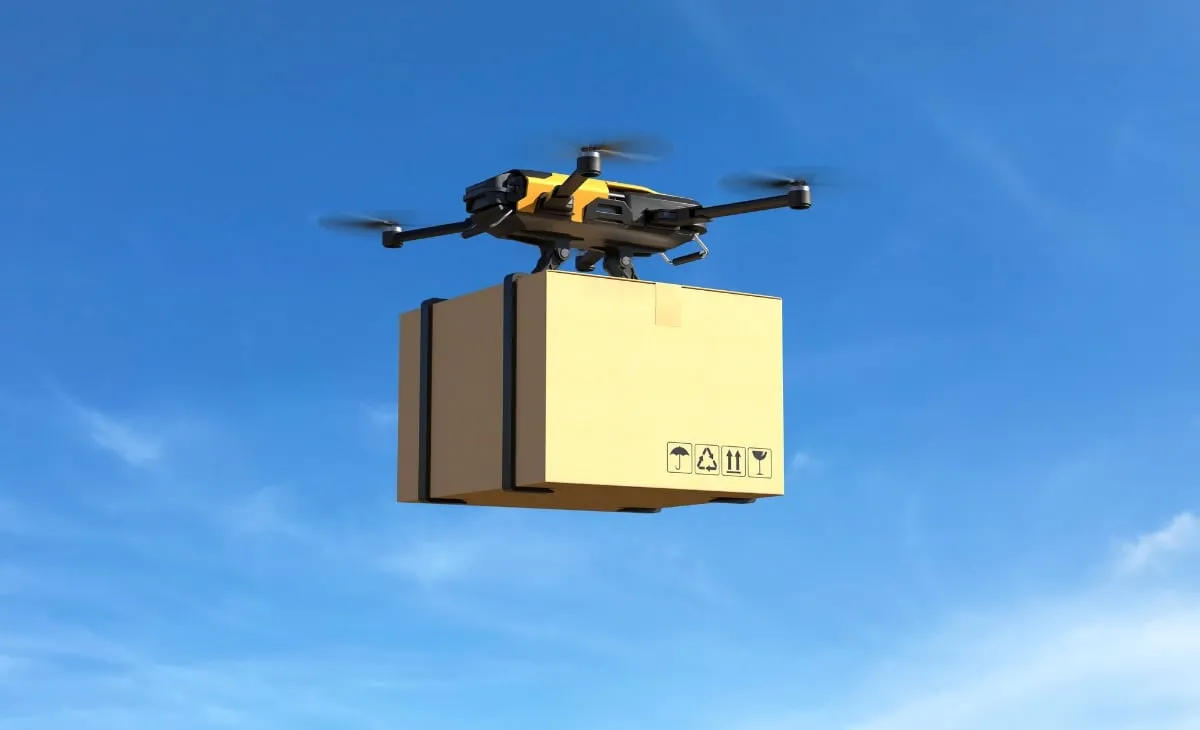
Traditional wine packaging is being revolutionised with the introduction of drone deliveries and the use of alternative packaging. Wine companies are embracing these innovative advancements to adapt to the digital age trends in the industry.
Drone deliveries
Drone deliveries have become an increasingly popular option for wine businesses to efficiently and swiftly transport products to consumers. Embracing this technology can enhance delivery services, providing quick and convenient shipping solutions for customers.
With the use of drone deliveries, we can expand our reach and offer a unique selling point in the market, ensuring timely and secure delivery while staying at the forefront of technological innovations in the wine industry.
As wine business owners or companies, we should explore integrating drone deliveries into our operations, as it aligns with consumer preferences for faster delivery times and improves overall customer satisfaction.
Use of alternative packaging
For wine business owners, it’s crucial to consider the use of alternative packaging as a forward-thinking trend in the industry. Embracing drone deliveries and exploring sustainable options can position your brand at the forefront of innovation.
Incorporating environmentally friendly materials into packaging not only aligns with sustainability trends but also caters to the increasing demand for eco-conscious products. By leveraging alternative packaging methods, we can cater to modern consumer preferences and contribute to a more sustainable future for the wine industry.
Moving ahead, let’s delve into the realm of “Beverage Wines” and explore how this emerging trend is reshaping consumer experiences and preferences in the market.
Blurring Boundaries with “Beverage Wines”
Blurring boundaries with beverage wines is evident in the rise of canned wine and the emergence of blended vintages, reflecting new winemaking trends. With innovative advancements in packaging and a shift towards contemporary tastes, the wine industry continues to adapt to evolving consumer preferences.
The rise of canned wine
As wine business owners, we’re witnessing a significant shift in consumer preferences towards canned wine. This trend is not only reshaping the way wine is packaged but also challenging traditional perceptions of wine consumption.
The lightweight, portable nature of canned wine aligns with modern consumer lifestyles, making it an attractive option for outdoor events and casual gatherings. Embracing this emerging trend can potentially expand market reach and attract a new segment of consumers seeking convenience without compromising on quality.
As wine companies, understanding and capitalising on the rise of canned wine can open up exciting opportunities for product innovation and differentiation. Developing high-quality canned wine offerings that cater to evolving consumer demands could position your brand as forward-thinking in the industry landscape.
Blended vintages and new winemaking trends
We are witnessing an exciting shift in winemaking trends towards blended vintages and innovative techniques. Wineries are experimenting with combining different vintages to produce unique and complex flavour profiles that captivate consumers.
This trend reflects a desire for more adventurous and diverse wine experiences, leading to the development of new winemaking methods such as aging wines in alternative vessels like clay amphorae or concrete eggs to impart distinct characteristics.
Winemakers have been exploring unconventional grape blends, creating bold and distinctive flavours that appeal to modern palates. Additionally, there is a growing focus on sustainability, with wineries implementing eco-friendly practices throughout the winemaking process.
Future Predictions for Wine Label Technology
Future predictions for wine label technology include the seamless integration of AI and machine learning to create personalised labels and environmentally friendly packaging materials.
These advancements are set to revolutionise the way wine companies engage with consumers, offering a tailor-made experience in an ever-evolving market.
Integration of AI and machine learning
We foresee the integration of AI and machine learning revolutionising winemaking processes, enabling us to analyse vast amounts of data with precision. These advanced technologies will assist in predicting ideal growing conditions for grape cultivation, optimising fermentation methods, and even personalising wine blends tailored to individual consumer preferences.
By harnessing the power of AI algorithms in wine creation, we aim to enhance product quality while embracing sustainable practices. Our commitment is to leverage these innovations to elevate the artistry and science behind winemaking.
AI and machine learning are poised to transform our industry by equipping us with invaluable insights that can refine every aspect of winemaking, from vineyard management right through to bottling and labelling.
Personalised labels and packaging
We understand the importance of standing out in a crowded market. Personalised labels and packaging can set your brand apart and create lasting connections with consumers. By incorporating customer names, special messages, or custom designs onto wine labels and packaging, we can elevate the experience for each buyer while enhancing brand loyalty.
Our commitment to innovation extends to offering tailored solutions that resonate with our audience. In an ever-changing landscape where consumer expectations are continually evolving, personalised labels and packaging serve as crucial touchpoints in engaging customers on a deeper level.
Embracing these forward-thinking trends will undoubtedly solidify our position as industry leaders in the digital age.
Environmentally-friendly labelling materials
As wine business owners, we understand the importance of adopting environmentally friendly practices in winemaking. Embracing sustainable and eco-friendly labelling materials is not only beneficial for the environment but also aligns with the values of modern consumers, who prioritise sustainability.
By incorporating biodegradable, recycled, or organic materials in our wine labels, we can actively contribute to reducing environmental impact while appealing to a growing market segment that seeks responsibly packaged products.
This forward-thinking approach ensures that our brand remains at the forefront of innovation in the ever-evolving wine industry.
Innovating with environmentally friendly labelling materials underpins our commitment to sustainability and positions us as leaders within the realm of progressive changes in wine label technology.
By ditching traditional packaging methods and ushering in a new era of eco-conscious labels, we unlock opportunities to connect with consumers on a deeper level and craft an image tailored towards responsible production practices.
Embrace the Futuristic Trends in Wine Label
In the dynamic world of wine label technology, we have explored innovative trends that are set to redefine the industry. From augmented reality labels and AI algorithms for winemaking to robot sommeliers and drone deliveries, the future of wine packaging is evolving at a rapid pace.
As we navigate through these changes, it’s clear that personalisation, sustainability, and cutting-edge advancements will underpin the next generation of wine label technology. The journey ahead promises an exciting blend of creativity and functionality as we embrace futuristic opportunities in wine labelling.
Contact
Talk to us about your label
Tell us about the wine, the run size and any deadline you are working to.