
Iconic Wine Labels That Shaped the Industry
Picking the right wine can sometimes feel like wandering through a bit of a labyrinth. We know the feeling all too well, standing there, trying to choose from row after row of bottles.
Did you realise that some wines have nabbed a spot in the limelight largely because of their eye-catching labels? This yarn is going to delve into how those iconic wine labels have left their mark on the industry and what nuggets of wisdom we can pick up from them.
Key Takeaways
- Wine labels have changed from simple text to artwork, making bottles stand out on the shelf. This evolution shows how creativity in label design can greatly impact a wine’s brand and appeal.
- Artists like Pablo Picasso contributed to Mouton Rothschild’s labels, blending art with winemaking.
- Modern labels are daring, using vibrant colours and unconventional designs to attract younger drinkers. This shift towards edgy branding reflects a broader trend in the industry towards appealing to new audiences by breaking traditional norms.
- Iconic labels such as Mollydooker’s play a big role in defining a wine’s character. Their memorable imagery helps wines stand out.
- Future label designs will likely integrate technology like QR codes for interactive experiences while keeping an eye on sustainability. This advancement suggests that wineries are looking not just to sell their product but also to engage more deeply with consumers while being mindful of environmental impacts.
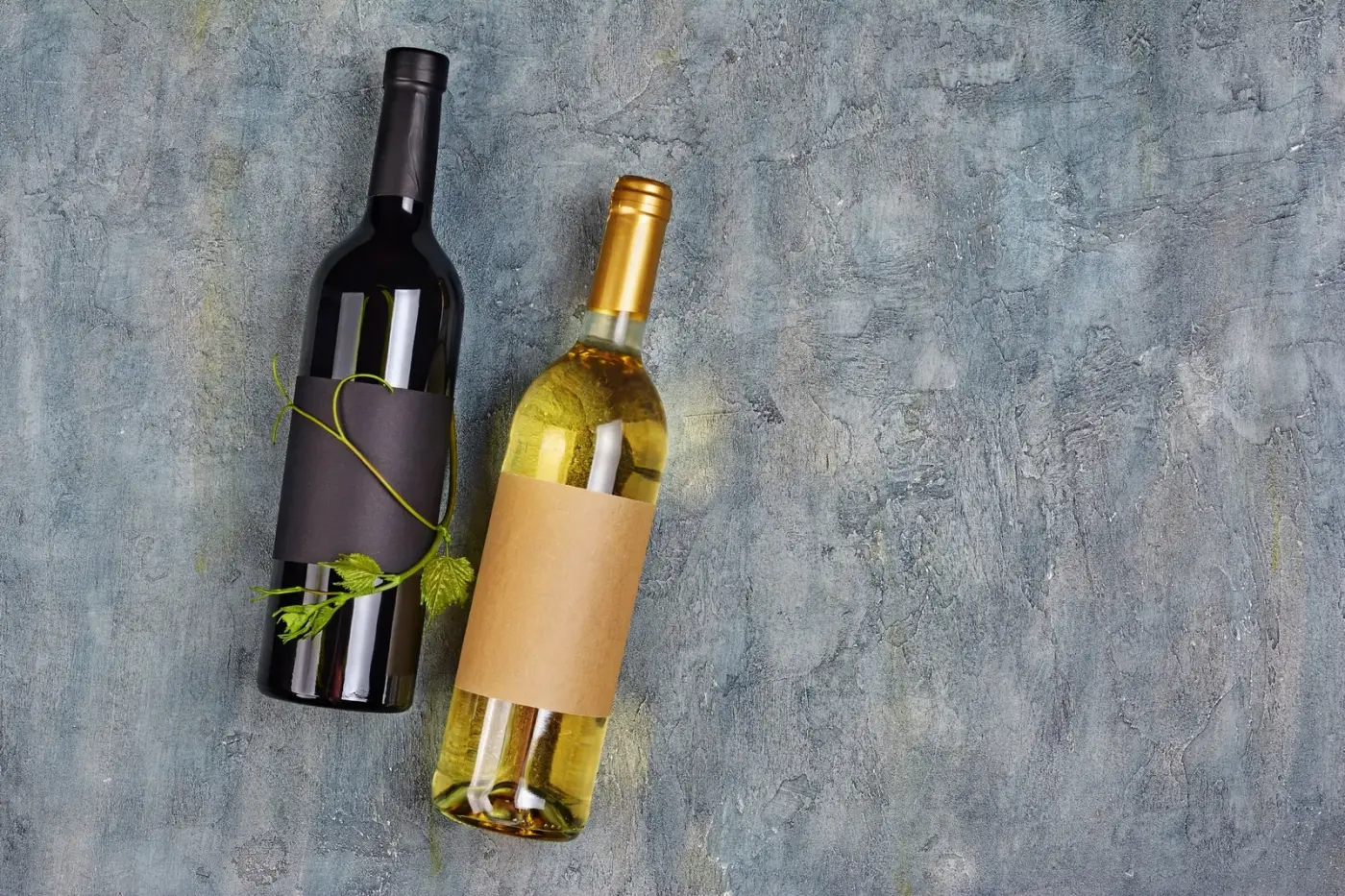
Evolution of Wine Labels
Wine labels have evolved from simple text to intricate designs. Family crests and typography were once common, but now modern and unconventional labels are on the rise.
From simple text to detailed designs
We’ve witnessed a remarkable transformation in the world of wine labels. Initially, they featured straightforward text to communicate the basic details, think vintage year, region, and varietal.
Now, we see labels that are works of art in their own right. They boast intricate designs that tell stories, evoke emotions, and capture the essence of what’s inside the bottle. This shift has not only elevated the visual appeal but also played a critical role in branding.
Our journey through iconic wine labels showcases this evolution from mere identifiers to pivotal marketing tools. Labels now incorporate historic packaging elements, legendary symbols, and memorable branding techniques that make each bottle stand out on crowded shelves.
These designs often reflect the unique personality of the brand while paying homage to its roots. This creative approach helps us connect with our customers on a deeper level by offering them something more than just wine; we provide an experience wrapped up in each label.
Use of family crests and typography
Moving on from the shift towards detailed designs, wine labels began to incorporate family crests and typography as a way to convey heritage and tradition. Family crests provided winemakers with a symbol of prestige and history, adding an air of sophistication to their branding.
Typography also played a crucial role in creating distinct identities for different wine brands, with elegant script fonts evoking luxury while bold and modern typefaces appealed to younger audiences.
This integration of family crests and typography helped establish brand recognition and loyalty among consumers, further shaping the industry’s visual landscape.
The use of family crests and typography on wine labels not only served as a nod to tradition but also allowed brands to communicate their unique stories through visually appealing elements.
The rise of modern and unconventional labels
Modern and unconventional wine labels have carved a unique space in the industry. They reflect innovative design concepts, striking imagery, and non-traditional elements that challenge the status quo.
These labels captivate consumers with their boldness and creativity, setting new trends in wine branding that resonate with today’s audience. As wine business owners, embracing this trend can position your brand as forward-thinking and appealing to a younger demographic looking for fresh and distinctive experiences.
Incorporating modern and unconventional label designs helps set your brand apart from traditional competitors. By leveraging these contemporary approaches, you can infuse a sense of excitement into your product while staying relevant in an ever-evolving market.
Notable Iconic Wine Labels
Iconic wine labels have left a lasting impression on the industry, with notable examples including Mouton Rothschild’s artist-designed labels and Mollydooker’s labels.
Mouton Rothschild’s artist-designed labels
Since 1945 Château Mouton Rothschild has given each vintage’s label to a different artist, among them Miró, Chagall and Picasso.
Mollydooker
Mollydooker was founded by left-handed winemakers Sarah and Sparky Marquis.
Chestnut Teal
Chestnut Teal, named after the Murray River duck, was once Australia’s ‘Sherry of choice’ and was relaunched as an Apera in 2018.

Impact of Iconic Wine Labels on the Industry
Iconic wine labels have sparked increased competition and creativity in the industry, influencing consumer purchasing decisions and setting new standards for label design.
Increased competition and creativity
As wine business owners, we recognise the increased competition in the industry. With numerous brands vying for consumer attention, our label designs need to stand out. The demand for innovative and memorable wine branding is higher than ever before.
Prominent wine imagery and classic wine logos are no longer enough; we must push the boundaries of creativity to capture customers’ attention.
To stay relevant in this era of influential wine graphics, we must focus on creating labels that not only reflect our brand but also resonate with consumers. By embracing unconventional designs and incorporating new technology into packaging, we can ensure that our products remain competitive on the market.
Influence on consumer purchasing decisions
Iconic wine labels have a significant influence on consumer purchasing decisions. The visual appeal and unique designs of these labels capture the attention of consumers, often leading to an emotional connection with the brand.
Consumers are drawn to iconic wine labels due to their distinctiveness, which sets them apart from other products on the shelf. Moreover, these labels convey a sense of quality and craftsmanship, influencing consumers to perceive the wine as more valuable based on its packaging.
The impact of iconic wine labels extends beyond aesthetics; it directly affects consumer behaviour at the point of sale. Well-known and visually appealing labels can compel consumers to purchase a particular bottle over others, even if they are unfamiliar with the wine itself.
Future of Wine Label Design
Future wine label design incorporates new technology and pushes the boundaries of creativity and art, balancing aesthetic appeal with legal requirements. Explore how these changes shape the industry by diving into the full article.
Incorporation of new technology
Winemaking businesses are embracing new technology to revolutionise wine label design. Digital printing techniques allow for intricate and vibrant designs, enhancing visual appeal and brand recognition.
QR codes and augmented reality applications offer interactive experiences for consumers, providing additional information about the wine’s origin, production process, and food pairings.
This integration of technology not only elevates the aesthetic value of labels but also enhances consumer engagement and experience.
Incorporating NFC (Near Field Communication) chips into wine labels enables customers to access exclusive content such as videos or virtual tours by tapping their smartphones on the label.
Continuing to push the boundaries of creativity and art
Winemakers continually seek new ways to captivate consumers with label designs that embody creativity and artistry. Innovation in printing techniques, such as embossing and foiling, allows for tactile experiences, while digital enhancements offer interactive elements on labels.
Embracing sustainability by using eco-friendly materials also contributes to pushing the boundaries of creativity and art within wine label design.
As industry professionals, we recognise the importance of staying ahead of trends by exploring unconventional shapes and materials for labels. Collaboration with graphic designers, illustrators, and artists enables us to create visually stunning labels that resonate with consumers in a constantly evolving market.
Importance of balancing aesthetic appeal with legal requirements
When designing wine labels, it is crucial to strike a balance between visual appeal and adherence to legal regulations. This means ensuring that the label stands out on the shelf while meeting all mandatory requirements, such as alcohol content and health warnings.
By prioritising both aspects, wine companies can present their product attractively without compromising compliance.
Winemakers should also consider factors like font size, label dimensions, and placement of essential information to comply with labelling laws. Achieving a visually appealing yet legally compliant label not only enhances brand image but also contributes to consumer trust and loyalty, key elements in a competitive industry driven by iconic designs.
Embrace Iconic Wine Labels
Iconic wine labels have revolutionised the industry, sparking creativity and competition among brands. These labels continue to influence consumer purchasing decisions, driving the demand for unique and visually appealing designs.
As technology advances, wine label design will evolve further, balancing aesthetics with legal requirements. The future promises even more innovative and artistic approaches to wine packaging, reflecting the ever-changing tastes of consumers and pushing boundaries in the world of winemaking. Contact us to explore the rich history and influence of iconic wine labels that have left an indelible mark on the industry.
Contact
Talk to us about your label
Tell us about the wine, the run size and any deadline you are working to.