
How to Mix Multiple Label Variations (Front and Back) on the Same Wine Roll
To mix multiple label variations on one wine roll, maintain consistent label sizes, plan the print sequence carefully, and ensure the printer setup matches your bottling process. When these steps are managed correctly, the result is efficient production, less waste, and precise label placement on every bottle.
Many wineries combine different label designs such as front and back pairs or several wine varieties on a single roll to streamline production. Small setup errors can still cause problems such as spacing faults, misfeeds, or bottling delays, all of which increase costs and interrupt workflow.
Clear communication with the printer, along with accurate layout and spacing details, keeps every label aligned and ensures a smooth run from print to bottling.
Understand Why Roll Layout Matters
When wine labels are printed on rolls, their direction and layout control how they move through the applicator on the bottling line. Every label must feed in the right orientation to ensure accurate placement on the bottle.
If the sequence or direction is incorrect, the applicator may place the wrong label or misalign the design. These issues can slow production and waste materials.
Printers need to know exactly how the labels will be used. Details such as whether the roll leads from the top edge or the bottom edge affect how smoothly the labels apply. Even small alignment changes can make a noticeable difference in how the bottle looks on the shelf.
Checking the feed direction before printing helps avoid costly mistakes and ensures that each label fits perfectly during bottling.
Group by Size and Shape First
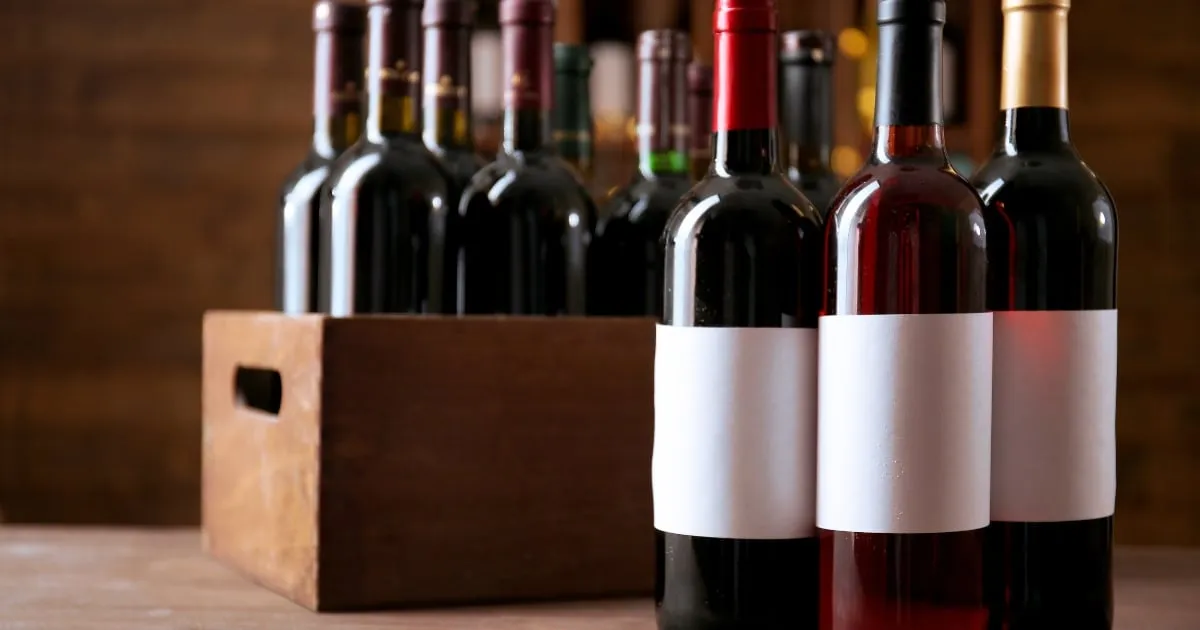
Before designing or printing begins, make sure every label on the roll has the same shape, material, and dimensions. When sizes differ, the applicator requires separate tooling, which usually means running different rolls.
Keeping all front and back labels the same size is the simplest way to avoid setup changes. For example, if Cabernet, Shiraz, and Merlot bottles all use identical label dimensions, they can often share one roll without issue.
Consistent sizing helps maintain alignment and reduces the risk of production delays. It also simplifies the bottling setup, saving time during changeovers.
Plan the Sequence Carefully
When printing several label designs on one roll, the sequence determines how well they apply during bottling. Each label must appear in the correct order to match the way the machine applies them to the bottles.
You can alternate front and back labels, such as front then back, or print all front labels followed by all back labels. The best method depends on the equipment and the spacing between each label.
If the bottling line applies both sides in one pass, alternating front and back labels works best. If it applies them in separate runs, keeping all front labels together and all back labels together is often more efficient.
Ask the printer to prepare a visual proof that shows how the roll will be wound before production starts. Confirming the layout on screen is faster and cheaper than fixing mistakes during printing.
Keep Gaps and Registration Consistent
Every label on the roll needs a precise gap from the next one to ensure smooth application. Too much space wastes material, while gaps that are too small can cause the applicator to misfeed or double apply. Most printers recommend two to three millimetres between labels, though this can change depending on the machinery.
Registration marks are also important. These small black lines along the roll edge help the applicator detect where each label starts and ends. When multiple designs appear on one roll, the registration marks must stay in the same position across every variation.
Keeping both spacing and registration consistent prevents errors, improves alignment, and ensures the labels feed cleanly through the applicator.
Work Closely with Your Printer
Clear communication with the printer is essential when producing multiple label variations on one roll. Provide print-ready artwork for each design, correctly named and numbered in the order they should appear. This helps the printer understand how the roll must run through the applicator.
Include details such as the required roll direction, whether it needs to be left or right wound, and the maximum roll diameter that suits your equipment. These details prevent production delays and ensure a smooth handover between printing and bottling.
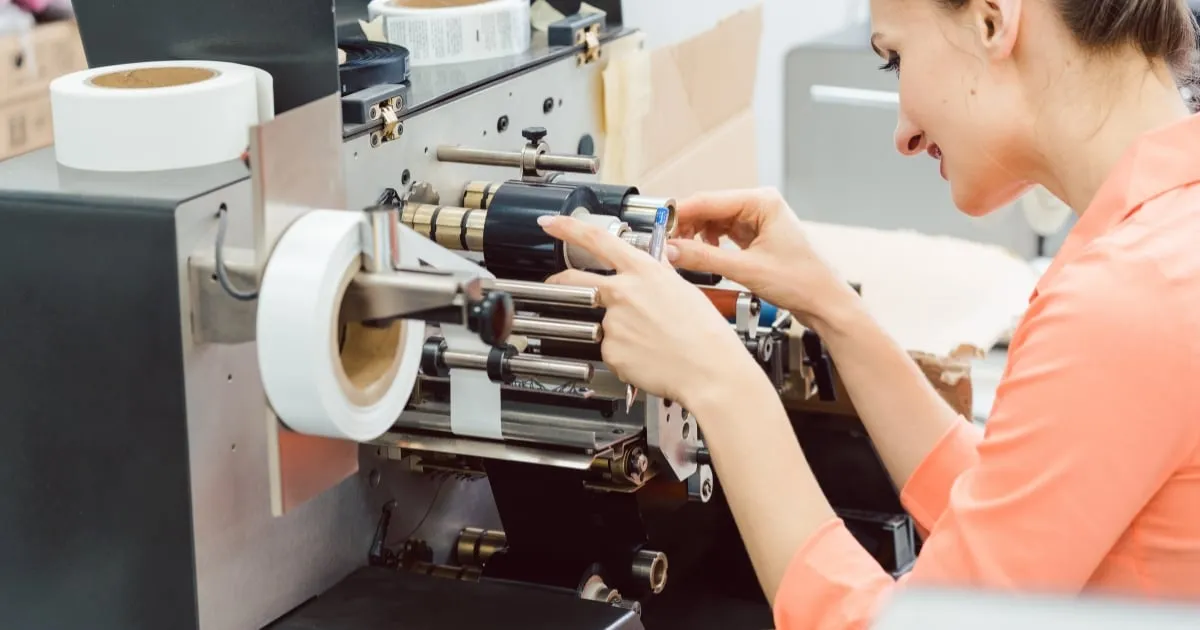
Many printers offer short test runs so you can check the roll alignment before full production. Reviewing a sample reel helps detect spacing or feed direction issues early, reducing the chance of waste or reprints.
Check Out Real Examples
Looking at how other wineries handle multiple label variations can help you plan your own setup more effectively. Wine Design applies personalised labels to bottles of Hunter Valley wine.
Other wineries’ labels highlight the importance of consistent layout and alignment. Studying how other producers manage their roll direction and label spacing can provide practical insight for your next print run.
Mixing Multiple Label Variations Effectively
Mixing several label variations on one roll is an efficient and cost-effective method when managed with precision. Consistent sizes, careful sequencing, and clear communication with your printer are the key steps to achieving a smooth bottling process.
Our team at Prestige Wine Labels helps Australian wineries simplify their printing setup and maintain perfect alignment for every label. With the right planning, each roll runs cleanly through the applicator and every bottle leaves the line looking consistent and professional.
Frequently Asked Questions
How can wineries save time when printing multiple label designs?
Combining several label designs on one roll helps reduce setup changes between print runs. It also minimises stoppages on the bottling line, as fewer roll swaps are needed during production.
Can label materials affect how rolls are printed?
Yes. The adhesive type, finish, and label stock can influence how rolls are produced and handled. Using the same material across all designs ensures consistent print quality and feeding accuracy.
What should wineries check before approving label proofs?
Always confirm artwork order, roll direction, and spacing in the proof. Reviewing these details prevents costly adjustments once printing begins.
Is it possible to test a label roll before full production?
Many printers offer short test runs or sample reels. These allow you to check alignment and spacing before the complete order is printed, reducing the risk of waste.
What are the main causes of misaligned labels during bottling?
Misalignment often results from incorrect roll direction, uneven gaps, or inconsistent registration marks. Careful setup and communication with the printer prevent these issues.
Contact
Talk to us about your label
Tell us about the wine, the run size and any deadline you are working to.