
Navigating the Legal Landscape of Wine Labelling
Navigating the intricate world of wine labelling laws is a bit like trying to find your way through a bush maze after sunset. It’s all too easy to get caught up in the thorny web of regulations that differ from region to region.
Did you know that in Australia, vintage, grape variety and region are not compulsory on a wine label at all? Make one of those claims, though, and you need an auditable trail of records to substantiate it. Our blog’s here to lend a hand, guiding you through crafting compliant labels that not only look after the consumer but also uphold our top-notch industry standards.
Key Takeaways
- In Australia, vintage, grape variety and region claims are optional rather than mandatory. If you make one, the Label Integrity Program requires an auditable trail of records to substantiate it, which is what keeps consumer trust and industry integrity intact.
- Accurate labelling on wine bottles requires clear information like alcohol content, the number of standard drinks, net volume, allergens, country of origin and the pregnancy warning label. This transparency is vital for complying with regulations and ensuring customers know exactly what they’re buying.
- Designing a compliant wine label involves considering crucial aspects such as proper placement of mandatory info, using readable fonts, and selecting images that don’t mislead consumers. It’s about balancing creativity with legal requirements.
- For each specific wine varietal like Shiraz or Chardonnay, labels should accurately describe unique characteristics including flavour profile and winemaking technique while staying within the bounds of Australian wine laws.
- Working with knowledgeable printers who understand the ins and outs of wine labelling laws ensures that every bottle meets compliance standards without compromising on design quality. Regular checks during production maintain accuracy in all label elements.

Understanding Wine Labelling Laws and Regulations
Understanding wine labelling laws and regulations involves analysing the specific requirements and ensuring compliance with all legal standards. It also means understanding the importance of accurate labelling for consumer protection and industry integrity.
Analysis requirements
In navigating the legal landscape of wine labelling, we meticulously examine the specific regulations and guidelines set forth for the Australian wine industry. This involves a detailed look at compliance standards that cover everything from alcohol content regulations to the record keeping behind any vintage, variety or region claim. Vintage, variety and origin claims are not mandatory, but once a label makes one, the Label Integrity Program expects records that can substantiate it, kept for seven years and traceable one step forward and one step back through the supply chain.
We also dive into alcohol advertisement restrictions, making sure our marketing efforts comply with Australian wine laws. By staying informed on wine labelling standards and food and beverage labelling regulations, we keep our products within legal boundaries.
Our team works tirelessly to adapt to any changes in wine labelling restrictions, ensuring our labels are always up-to-date with industry compliance.
Labelling requirements
Wine labelling requirements dictate that accurate and transparent information must be displayed on each bottle. The genuinely mandatory elements are the name or description of the product, alcohol by volume, the number of standard drinks, net volume, an allergen declaration such as sulphites, country of origin, lot identification, the supplier’s name and street address, and the pregnancy warning label. Vintage, variety and region sit outside that list, so they are yours to claim or leave off.
Meeting these requirements is crucial for complying with industry regulations and ensuring consumer trust in the product. To comply with labelling requirements, wine businesses should carefully review the specific guidelines set forth by regulatory bodies to ensure all necessary elements are included on their labels.
The Importance of Accurate Labelling for Consumer Protection and Industry Integrity
Accurate labelling is essential for consumer protection and industry integrity. Clear and precise labels help consumers make informed choices, ensuring they know what they are purchasing.
This transparency builds trust between producers and consumers, ultimately benefiting the entire wine industry. Additionally, accurate labelling fosters integrity within the industry by preventing misleading claims or deceptive marketing practices. It also aligns with regulatory requirements, reducing the risk of legal complications and safeguarding the reputation of wine businesses.
Ensuring that our wine labels accurately represent our products is crucial. It allows us to provide transparent information to consumers while upholding industry standards. Accurate labelling not only protects consumers but also maintains the integrity of our business operations in compliance with legal regulations and market expectations.
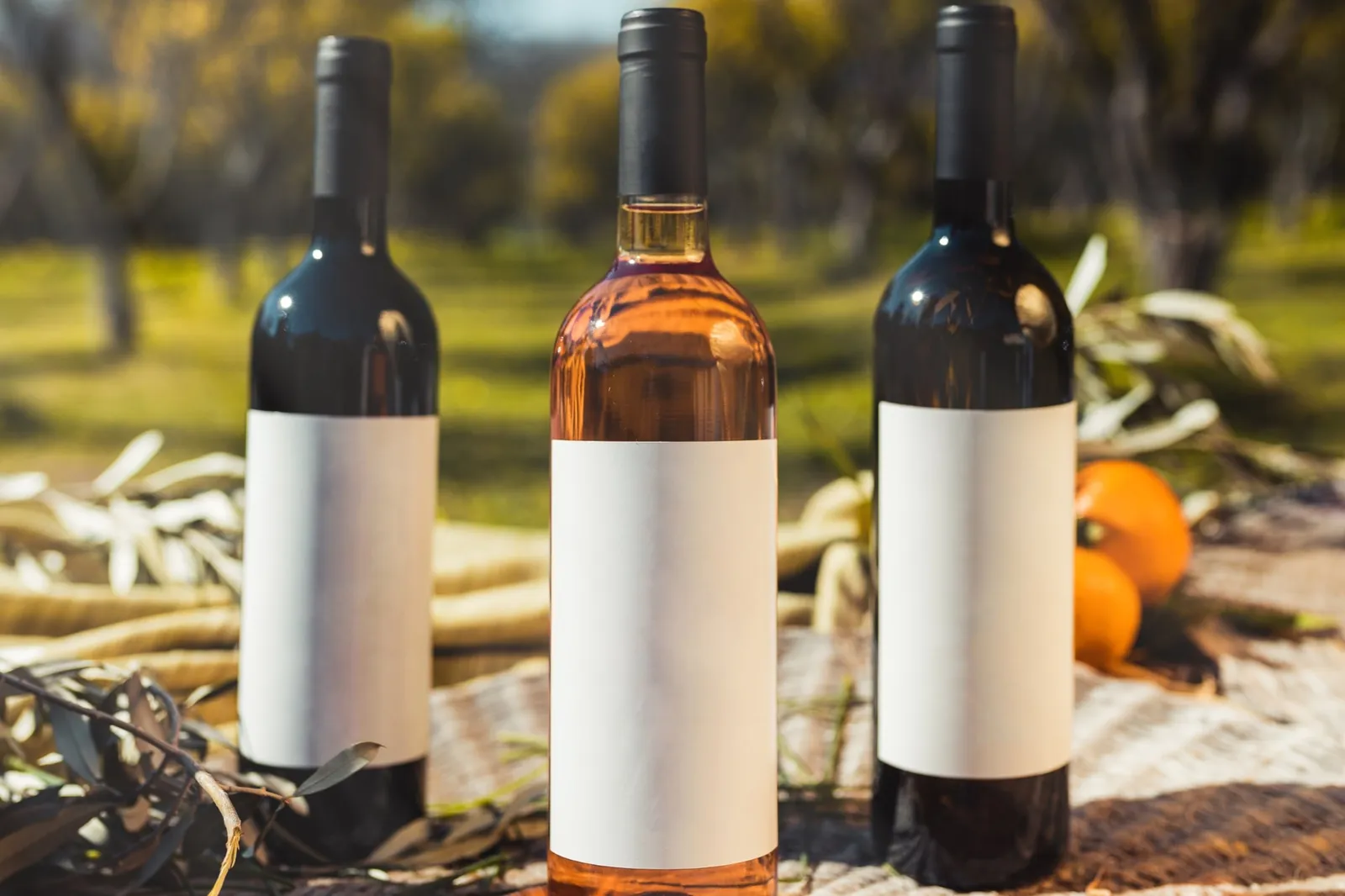
How to Create a Compliant Wine Label
Design wine labels with clear and accurate information, ensuring compliance with legal requirements. Tailor the label design to reflect different wine varietals while considering key design elements and legal considerations.
Key design elements
When creating a compliant wine label, it is essential to consider key design elements that comply with labelling regulations. These include the placement and size of mandatory information such as alcohol content, the number of standard drinks, net volume, allergen declarations, lot identification, the supplier’s name and street address, and the pregnancy warning label, which is a prescribed mark with its own rules on wording, colour and minimum size.
Using clear fonts and contrasting colours can enhance readability and ensure that essential details are easily visible. Additionally, choosing appropriate imagery and graphics that do not mislead consumers is crucial for compliance with wine labelling laws.
Furthermore, the selection of materials for the label should also align with legal requirements while being durable enough to withstand transportation and storage conditions. Quality printing techniques will help maintain legibility throughout the product’s lifecycle.
Tailoring labels for different wine varietals
When tailoring labels for different wine varietals, we carefully consider the unique characteristics of each variety. We highlight distinct flavour profiles, winemaking techniques, and regional origins to communicate the essence of each wine.
By using descriptive language and captivating imagery, we ensure that our labels accurately represent the individuality of Cabernet Sauvignon, Chardonnay, Shiraz, Merlot or any other varietal in our collection.
Our goal is to provide consumers with clear and compelling information that enhances their understanding and appreciation of our diverse range of wines. Naming a varietal such as Shiraz or Chardonnay is a choice rather than an obligation, and once the name goes on the label the blending rules and the record trail behind it apply, so it’s vital to use language that aligns with industry standards and legal requirements.
Legal considerations
When creating a wine label, it is crucial to consider the legal requirements and regulations. These include accurately representing the alcohol content, adhering to specific blending guidelines, and ensuring compliance with food labelling laws. It’s important to stay updated on wine industry laws and regulations to avoid any legal issues.
In addition, understanding the labelling requirements for wine is essential for maintaining compliance and integrity within the industry. This involves meeting analysis requirements, such as disclosing specific details about the wine production process, as well as tailoring labels for different wine varietals by wine labelling regulations.
Tips for Printing and Production
When printing wine labels, ensure that the label design complies with all relevant regulations, including alcohol content labelling and wine blending guidelines.
- Use high-quality label materials to withstand varying temperatures and moisture levels, ensuring the label remains intact and legible throughout storage and transportation.
- Work with a reputable printing company familiar with wine industry regulations to guarantee accurate adherence to legal requirements for wine labelling compliance.
- Utilise clear and easy-to-read fonts, ensuring all required information, such as alcohol percentage and varietal designation, is prominently displayed for consumer transparency.
- Perform rigorous quality control checks during the printing process to verify the accuracy of label elements, including legal text and graphic design components.
- Consider utilising specialty finishes or embellishments, such as foil stamping or embossing, to elevate the visual appeal of the label while maintaining compliance with wine marketing laws.
Navigate the World of Wine Labelling
Navigating the legal landscape of wine labelling is crucial for wine business owners. Understanding and complying with wine labelling laws ensures consumer protection and industry integrity.
Creating compliant labels by incorporating key design elements and tailoring them to different varietals is essential. Attention to printing and production details will help guarantee label accuracy. Contact us today for detailed wine labelling.
Contact
Talk to us about your label
Tell us about the wine, the run size and any deadline you are working to.