
Using QR Codes and Smart Labels on Wine Bottles for Marketing
QR codes and smart labels are changing how wineries connect with their customers. These tools link a physical bottle to digital content, allowing each scan or tap to share product details, tasting notes, or stories about the vineyard.
Traditional wine labels are limited by space, which makes it difficult to include every detail about the wine or its origin. QR and smart label technology extend that space digitally, giving customers access to more information while helping wineries track engagement and maintain authenticity.
As more producers look for ways to improve visibility and traceability, digital labelling has become a practical part of modern wine marketing.
What Are QR Codes and Smart Labels?
A QR code (Quick Response code) is a small, square barcode that can be scanned using a smartphone camera. When scanned, it directs the user to online content such as a webpage, video, or product information.
A smart label works in a similar way but uses advanced technology such as NFC (Near Field Communication) or RFID (Radio Frequency Identification). Instead of scanning, a customer can simply tap their phone on the label to access digital content. Smart labels can also store more information and can be updated after printing, making them a flexible marketing tool.
Both options help wineries connect with customers beyond the bottle. They provide a direct way to share product stories, tasting notes, and traceability details while supporting compliance and digital engagement.
Benefits of Using QR Codes on Wine Bottles
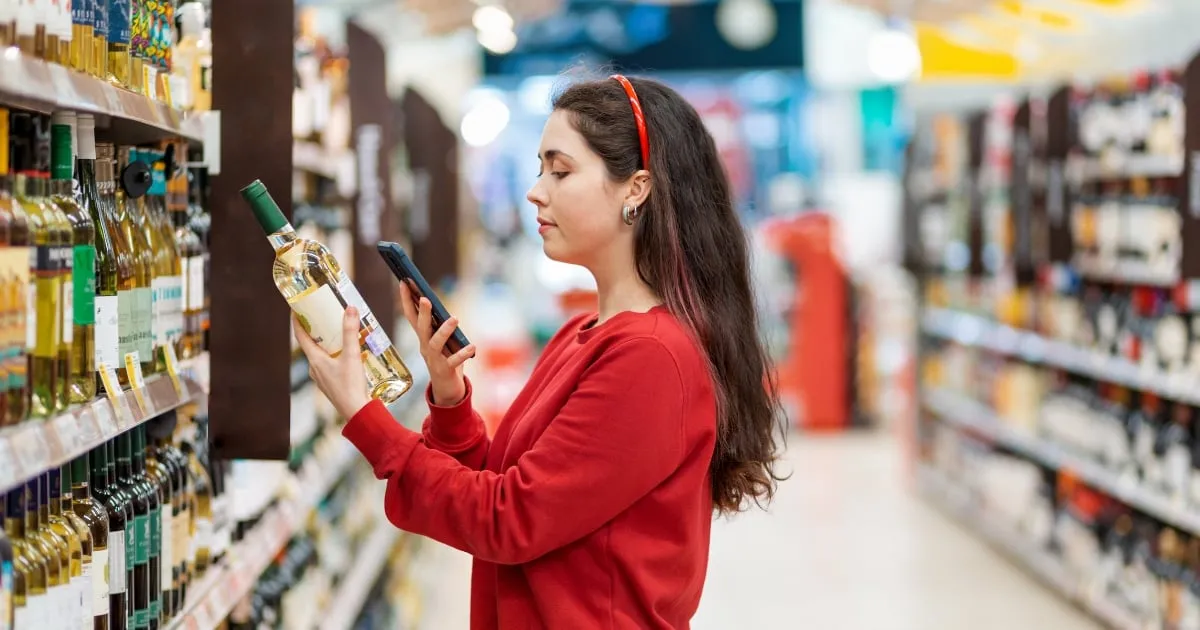
QR codes are becoming a common feature in wine marketing because they bridge the gap between the physical bottle and digital content. They provide a direct and measurable way for wineries to share information, build customer connections, and improve business operations.
1. Share Product and Brand Information
A QR code gives wineries more space to tell their story. Customers can access tasting notes, videos about the vineyard, or production details about the wine they are drinking. This builds understanding of the product and encourages brand recognition across multiple purchases.
2. Support Online Purchases and Reordering
By linking to an online store, QR codes make it simple for customers to buy again or explore other varieties. Many wineries also link QR codes to seasonal promotions or wine club pages, turning every bottle into a direct sales channel.
3. Provide Serving and Pairing Information
QR codes can guide customers on serving temperature, recommended dishes, or how to store the wine correctly. This type of content adds value and improves the overall customer experience, especially for those trying a new style or variety.
4. Collect Useful Marketing Data
Dynamic QR codes allow wineries to measure engagement in real time. They can track how often a code is scanned, where the customer is located, and which products attract the most attention. This information supports marketing decisions, production planning, and customer profiling.
5. Strengthen Sustainability and Traceability
QR codes reduce the need for printed brochures and support traceability goals by linking to digital batch information or certification records. This approach aligns with industry moves toward transparency and sustainability in packaging and distribution.
6. Encourage Post-Purchase Engagement
Many wineries use QR codes to link to loyalty programs, feedback forms, or event invitations. This keeps the connection with customers active long after the initial purchase, turning one-time buyers into long-term supporters.
Designing QR Codes for Wine Labels
Design and placement are key to making QR codes both functional and visually consistent with your wine label. A well-integrated code should scan easily without drawing attention away from the overall design.
| Design Element | Recommendation |
| Placement | Position the QR code where it can be scanned easily, such as on the back or side label. It should remain visible when the bottle is displayed upright. |
| Size and Contrast | The code must be large enough to scan and printed with clear contrast against the background. Avoid metallic or textured finishes that interfere with readability. |
| Print Quality | Use high-resolution printing and test samples on the actual label material. Fine textures or gloss coatings can distort the pattern if not calibrated correctly. |
| Call to Action | Add short, factual text near the code, such as “Scan for tasting notes” or “View product details.” This guides customers to interact with purpose. |
| Design Integration | Match the QR code with your brand palette or border elements so it blends naturally with the label. Ensure visual consistency across different products. |
Before final printing, always test the code on multiple devices and in varied lighting conditions to confirm it scans accurately.
Wine Design labels and prints its personalised wine bottles in Australia.
Smart Label Technology (NFC and RFID)
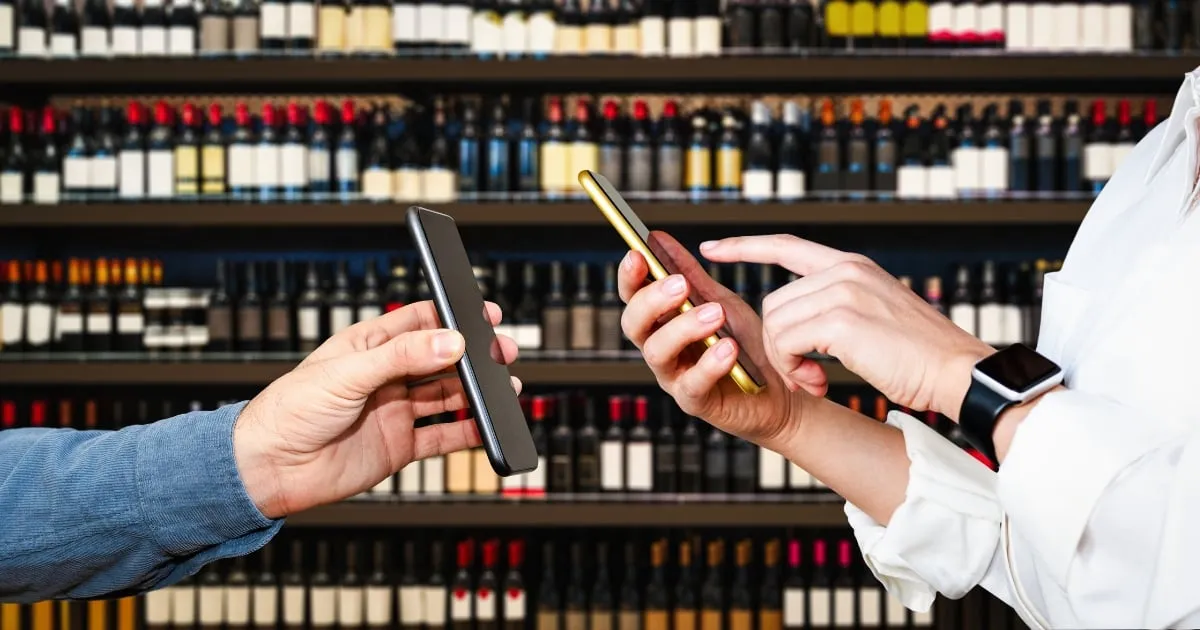
Smart label technology adds a new layer of interaction to wine packaging. Unlike static QR codes, NFC (Near Field Communication) and RFID (Radio Frequency Identification) labels allow customers to access information by simply tapping their smartphone on the bottle.
These systems store data within a small chip embedded in the label. When scanned or tapped, they can:
- Provide updatable content such as event announcements or vintage releases.
- Verify product authenticity using encrypted records or blockchain systems.
- Support loyalty programs or customer rewards linked to specific bottles.
- Deliver traceability information for export compliance and provenance tracking.
Smart labels are especially useful for premium wines and export markets, where authenticity and engagement are equally important. They give wineries the flexibility to change digital content over time without reprinting or relabelling products.
Data, Compliance, and Traceability
Digital labelling gives wineries detailed insight into customer interaction and supply chain movement while helping maintain compliance with privacy and export requirements.
Data Collection and Privacy
QR codes and smart labels often record metrics such as scan frequency, device type, and general location. This information assists with marketing and production planning but must be handled in accordance with privacy laws.
Under the Privacy Act 1988, Australian businesses collecting data must inform users of what is being gathered, ensure secure storage, and restrict use to authorised purposes. Transparency builds trust and encourages customers to engage confidently with digital features.
Product Authentication
Counterfeiting and parallel imports are ongoing challenges for the global wine market. Smart labels that use encrypted links, NFC chips, or blockchain integration help confirm product origin and authenticity. When scanned, the system verifies the serial or batch data against a secure winery database, ensuring each bottle can be traced back to its source.
Traceability and Export Standards
Digital labelling supports traceability across domestic and export supply chains. Each scan can confirm the wine’s path from production to point of sale, providing distributors and regulatory authorities with clear visibility. Including details such as vintage, bottling date, and transport route assists with record-keeping and simplifies compliance with international wine export documentation.
Operational Benefits
Integrating data and traceability systems allows wineries to monitor inventory flow, understand market demand, and plan distribution more effectively. This approach strengthens accountability, reduces manual tracking, and supports accurate reporting to partners and governing bodies.
Effective use of digital data ensures that every bottle leaving the winery can be authenticated, traced, and supported with verifiable records at any stage of the supply chain.
Implementation Tips for Wineries
Adopting QR codes or smart labels is most effective when planned with both marketing and production goals in mind. The following steps help ensure smooth integration and consistent performance.
1. Define the Label’s Purpose
Decide what customers should access when they scan or tap the label. Options may include tasting notes, product authentication, reordering links, or promotional content. A clear purpose determines the type of technology and platform needed.
2. Choose the Right Technology
Select between QR codes, NFC, or a combination depending on your audience and budget. QR codes are easy to implement, while NFC labels provide advanced features such as content updates and authentication.
3. Prepare Mobile-Optimised Content
Ensure the linked content displays correctly on smartphones. Information should load quickly and be formatted for small screens to encourage engagement.
4. Test Print and Scan Performance
Use test prints on the actual label material before full production. Check scan accuracy under different lighting conditions and on curved surfaces.
5. Track and Review Engagement
Monitor scan data to assess how customers interact with your labels. Insights such as popular regions, product types, or scan times can guide future campaigns or packaging updates.
6. Review Compliance Obligations
Confirm that customer data collection, if used, meets privacy and export documentation requirements. Keeping digital records consistent with traceability systems helps maintain transparency.
Planning and testing each stage ensures that QR and smart label technology enhances both customer experience and operational efficiency.
Partnering with Prestige Wine Labels
At Prestige Wine Labels, technology and design work together to create wine labels that meet both marketing and compliance needs. Our team assists wineries with the integration of QR codes and smart label systems, ensuring each label scans correctly, aligns with brand design, and performs reliably during handling and storage.
We provide guidance from concept to production, including testing, layout adjustments, and material selection for textured or specialty papers. Each project is managed with attention to print precision and compatibility across digital and traditional packaging formats.
Our experience in the Australian wine industry helps producers meet evolving traceability and labelling standards while maintaining design consistency across local and export markets.
Connect Your Story to Every Bottle
Every wine has a story, and digital labelling makes it easier for customers to experience it directly. Linking physical packaging to useful, accessible information gives wineries a consistent way to communicate across markets and formats.
Our team supports producers in applying digital design methods that strengthen customer connection and product transparency. Whether developing a new label range or updating existing packaging, we help integrate digital features that suit each brand’s goals and market requirements.
Contact us to discuss how your next release can include connected labelling that supports both storytelling and compliance in a changing industry.
Frequently Asked Questions
How can wineries use QR codes effectively on bottles?
QR codes work best when they lead to relevant, mobile-friendly pages. Wineries often link them to tasting notes, product verification, or online purchase options to add value for customers.
Are smart labels more advanced than QR codes?
Yes. Smart labels use NFC or RFID chips that allow users to tap their phone on the bottle to access information. They can also be updated without reprinting the label.
Do QR codes and smart labels help with authenticity?
Both technologies can link to secure databases or blockchain systems to confirm product origin. This helps prevent counterfeit sales and supports traceability for export markets.
Is customer data collected when a code is scanned?
Some dynamic QR systems record non-identifiable information such as scan time, location, and device type. Wineries must handle any data in line with the Privacy Act 1988.
Can small wineries afford smart labels?
QR codes are low-cost to implement, while NFC options require more setup but provide added features such as authentication and engagement tracking. Wineries can choose based on scale and objectives.
Contact
Talk to us about your label
Tell us about the wine, the run size and any deadline you are working to.