
The Influence of Social Media on Wine Label Trends
Finding the perfect way to pop off a crowded wine shelf isn’t easy. We’ve seen it firsthand, and our digging around found that a large majority of punters reckon social media sways their buying choices.
This yarn will walk you through how social media’s giving wine label trends a good shake-up to snag that consumer’s gaze. Brace yourselves for some ripper insights!
Key Takeaways
- Social media makes wine labels important for marketing, with a large majority of buyers influenced by what they see online. This means wineries are focusing on designs that will look great on Instagram and get people talking.
- Trends in wine label design show a move towards simpler, more natural themes. Wineries are using minimalist designs, nature elements, and special materials to catch the eye of consumers scrolling through their social feeds.
- Using technology like QR codes or augmented reality (AR) on wine labels creates a fun experience for customers. They can learn more about the wine, visit virtual vineyards, or unlock exclusive content just by scanning the label with their smartphone.
- Influencers play a big role in getting the word out about wines. Collaborating with them can help wineries reach more people and introduce their products to new audiences who trust these influencers’ recommendations.
- As preferences change, especially among younger drinkers like Millennials and Gen Z, wineries have to keep up by offering personalised experiences and embracing health and wellness trends in their products and packaging.
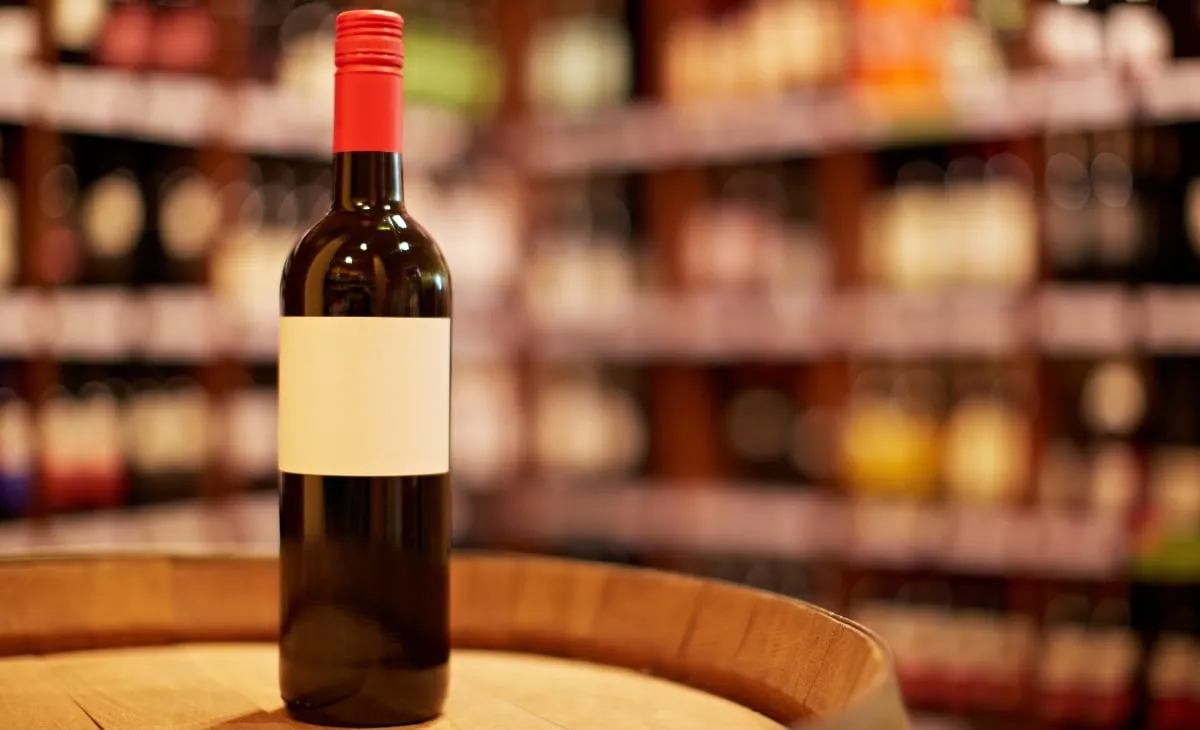
The Influence of Social Media on Wine Label Trends
Social media has a significant influence on consumer behaviour, particularly with the rise of visual-centric platforms like Instagram. Wine labels need to appeal to consumers and be shareable in order to stay relevant in today’s market.
The impact of social media on consumer behaviour
We’ve observed firsthand how social media reshapes the way consumers approach wine purchases. Platforms like Instagram have turned wine labels into a crucial part of online marketing, influencing choices with visual appeal and shareable content.
Our audience looks for wines that not only taste good but also look good on their feeds, making digital presence as important as the product itself.
Crafting shareable content has become a top priority in our branding strategies. Engaging consumers through captivating visuals and interactive posts on social media platforms helps us forge stronger connections.
This shift means we constantly adapt our online presence to fit consumer preferences, ensuring our wines stand out both on the shelf and in the digital landscape.
The rise of visual-centric platforms (e.g. Instagram)
The impact of social media on consumer behaviour has paved the way for the rise of visual-centric platforms like Instagram, where captivating visuals reign supreme. Engaging imagery and videos play a crucial role in attracting consumers’ attention and influencing their purchasing decisions.
Capitalising on this trend can significantly enhance brand visibility and appeal to a broader audience.
Attractive visual content holds the key to capturing the interest of potential customers scrolling through their social media feeds. With Instagram’s emphasis on eye-catching photos and compelling visuals, wine businesses have a prime opportunity to showcase their label designs creatively.
Leveraging this platform allows brands to connect with consumers on a more personal level, fostering genuine engagement and expanding their online presence.
The importance of appealing and shareable wine labels
Appealing and shareable wine labels play a crucial role in capturing the attention of consumers, driving brand recognition, and ultimately influencing purchasing decisions. Engaging visual designs and captivating storytelling on wine labels have the potential to create a strong emotional connection with customers, leading to increased consumer engagement and loyalty.
Implementing unique label designs that stand out on social media platforms can enhance brand visibility, inspire user-generated content, and foster organic conversations around your wine products.
Crafting visually appealing wine labels is essential for establishing a distinctive brand identity in the competitive wine market. A compelling label has the power to spark curiosity among consumers, prompting them to share their experiences with friends and followers online.
Emerging Trends in Wine Label Design
Wine label design trends are evolving rapidly. We witness a shift towards minimalist and modern designs, emphasising natural elements and introducing material effects for an enhanced appeal to consumers.
Minimalist and modern designs
When considering label design, we must keep in mind the growing trend towards minimalist and modern designs that appeal to today’s consumers. Clean lines, simple typography, and a focus on negative space are key elements of this approach.
Incorporating these aspects can help your wine label stand out on crowded shelves and resonate with the modern consumer, who values simplicity and elegance in their product choices.
Crafting a minimalist and modern design is essential for meeting the preferences of today’s market. By embracing sleek designs that convey sophistication while maintaining simplicity, wineries can align their labels with contemporary aesthetics.
Emphasising natural elements
Transitioning from minimalist and modern designs to emphasising natural elements, we observe a growing trend towards incorporating the beauty of nature in wine label design. Utilising keywords such as “organic,” “sustainable,” and “earth-friendly” enhances the visual appeal of labels while resonating with environmentally conscious consumers.
By featuring elements like vines, leaves, or landscapes, wine companies can convey a sense of authenticity and connection to the land. Embracing this natural aesthetic not only aligns with current consumer preferences but also signals a commitment to eco-friendly practices within the industry.
Effortlessly integrating earthy tones and textures into label design offers an opportunity to convey a story of craftsmanship and tradition in winemaking. The use of natural imagery helps evoke emotions tied to rustic charm and an appreciation for organic processes, establishing a deeper connection between consumers and the product they are purchasing.
Incorporating material effects
Transitioning from emphasising natural elements to incorporating material effects, we are seeing a growing trend in wine label design that focuses on tactile and visual appeal. By incorporating material effects such as embossing, foil stamping, or textured paper, wine labels can create a sense of luxury and sophistication that resonates with consumers.
These tactile elements not only draw attention but also enhance the overall perceived value of the product. Including such material effects can elevate the visual presentation of wine labels and contribute to a memorable brand experience for consumers browsing through social media feeds or online platforms.
Incorporating these material effects into wine label design allows brands to stand out in a competitive market while catering to consumer preferences for premium and visually striking products.
Incorporating Technology in Wine Labels
Integrating technology into wine labels enhances consumer engagement and provides an enhanced brand experience. Want to find out more about this fascinating trend?
Interactive elements for consumer engagement
When crafting wine labels, we are integrating interactive elements to captivate consumers’ attention and drive engagement. Some of the key strategies we are incorporating include:
- Implementing QR codes on labels leads consumers to exclusive online content such as vineyard tours, winemaking process insights, and food pairings.
- Using NFC (Near Field Communication) technology to provide instant access to product information, reviews, and promotions when customers tap their smartphones on the label.
- Embedding scannable AR (augmented reality) features allows customers to interact with 3D animations or virtual reality experiences related to the wine brand or story.
- Designing labels with hidden messages or puzzles that encourage consumers to visit the winery’s social media channels for hints and solutions.
- Creating personalised digital experiences through unique QR code links that direct consumers to custom landing pages for special offers, loyalty programmes, or events.
- Incorporating gamification elements such as scratch-off areas on labels that reveal discounts or prizes when scratched by the consumer.
By embracing interactive technologies on wine labels, we are enhancing consumer engagement and fostering memorable experiences that extend beyond the bottle.
Augmented reality for enhanced brand experience
Let’s delve into the exciting world of augmented reality and its potential to elevate your brand experience. By integrating AR technology into your wine labels, you can offer consumers an interactive and engaging way to connect with your brand.
Imagine customers using their smartphones to scan a wine label and instantly unlock exclusive content, such as virtual tours of vineyards or immersive storytelling about the winemaking process.
This tailored approach not only captivates consumers but also strengthens brand loyalty by offering a unique and memorable experience.
Augmented reality opens up a realm of possibilities for enhancing consumer engagement and leaving a lasting impression. With this innovative tool at your disposal, you can showcase the craftsmanship behind each bottle, share compelling narratives, and immerse your audience in an unforgettable journey through your brand story.
Personalisation and e-commerce integration
We can leverage personalisation to connect with consumers on a deeper level, tailoring wine labels to individual preferences. By integrating e-commerce into this approach, we can offer customised label options for online purchases, enhancing the shopping experience and driving consumer engagement.
This enables us to tap into the growing demand for unique and personalised products in the digital marketplace, catering to evolving consumer trends and preferences. With our suite of tailored label designs available for online purchase, we are positioned to meet the demands of modern consumers seeking more than just a standard wine label.
Incorporating e-commerce integration empowers us to interact directly with customers through personalised offers and recommendations based on their purchasing history and preferences.
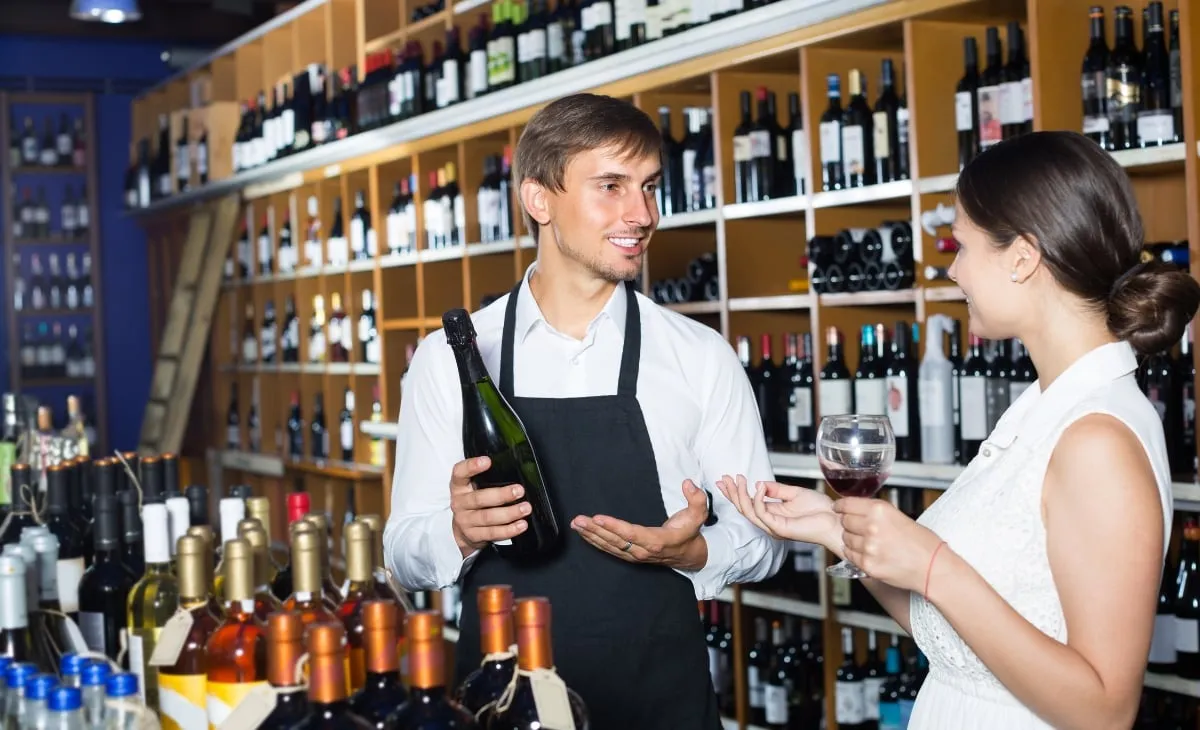
The Changing Role of Social Media in Wine Label Marketing
The Changing Role of Social Media in Wine Label Marketing brings new opportunities for educating consumers and real-time engagement. Collaborating with influencers has also become an essential part of brand exposure in the wine industry.
Educating consumers through social media
We use social media as a powerful tool for educating consumers. By providing engaging and informative content, we can enhance consumer knowledge about wine varieties, production methods, and food pairing.
Using platforms like Instagram, Facebook, and TikTok allows us to share captivating visual content and educational posts to captivate our audience’s interest.
Through compelling storytelling and behind-the-scenes glimpses of winemaking processes, we bring the winery experience directly to consumers’ screens. Implementing live Q&A sessions or virtual tours further deepens their understanding of our brand and products.
Collaborating with influencers for brand exposure
Collaborating with influencers can significantly boost brand exposure. We can leverage the influential power of social media personalities to expand our reach and engage with a wider audience. When partnering with influencers, we should consider the following strategies:
- Identifying relevant influencers who align with our brand values and target audience.
- Establishing authentic and mutually beneficial relationships with influencers to enhance credibility.
- Creating compelling content that resonates with the influencer’s followers while showcasing our wine label.
- Leveraging influencer-generated content across various social media platforms to amplify brand visibility.
- Tracking and analysing key performance metrics to assess the impact of influencer collaborations on brand awareness.
These strategies are fundamental for harnessing the potential of influencer partnerships in promoting our wine label within the dynamic landscape of social media marketing.
Moving forward, we must explore innovative approaches to integrate technology into wine label design and marketing strategies.
Real-time engagement with consumers
We engage with consumers in real time through social media platforms, fostering meaningful connections that drive brand loyalty and enhance the overall consumer experience. We actively respond to comments, messages, and feedback promptly, ensuring a personalised and interactive engagement with our audience.
By leveraging live features and dynamic content on social media, we create an immersive environment for consumers to participate in product launches, virtual tastings, and exclusive events.
Our proactive approach to real-time engagement enhances customer satisfaction and strengthens our brand’s presence in the ever-evolving digital landscape.
Integrating interactive elements into wine labels allows us to cultivate a sense of community among consumers while providing them with valuable insights into our products. By harnessing the power of social media for immediate interaction, we continuously adapt to consumer preferences and effectively address their enquiries and interests.
Keeping Up with Changing Consumer Preferences
The wine industry must adapt to evolving consumer preferences by embracing personalisation, experience, and the growing focus on health and wellness trends. As generational shifts impact wine consumption, businesses need to cater to these changing dynamics.
Impact of generational changes on wine consumption
Generational changes have a significant impact on wine consumption habits. Understanding the preferences of different generations, such as Millennials and Generation Z, is crucial for tailoring marketing strategies to their specific needs.
With an increasing focus on personalisation and experience, younger consumers are seeking more than just a product; they want a story or an adventure behind each bottle. Embracing health and wellness trends also plays a pivotal role in capturing the attention of these demographics.
As wine business owners, it’s essential to adapt to these generational shifts and offer products and experiences that resonate with the evolving tastes and values of younger consumers.
Focus on personalisation and experience
We understand the importance of offering personalised experiences to your consumers. Tailoring wine labels and packaging to cater to individual preferences can greatly enhance brand loyalty and customer satisfaction.
By embracing personalisation, you can create a unique connection with your audience, allowing them to feel valued and understood in their choices.
Delivering exceptional experiences goes hand in hand with personalisation. It’s not just about the product; it’s about the entire journey, from discovery to purchase. Ensuring that every touchpoint provides a memorable and enjoyable experience will leave a lasting impression on consumers, fostering long-term relationships and advocacy for your brand.
Embracing health and wellness trends
We recognise the growing demand for health-conscious options in the wine industry. Introducing wellness-focused attributes into our products can help us align with evolving consumer preferences and stand out in a competitive market.
Adapting to health and wellness trends involves considering labels that signify organic, sustainable, or low-sulfite wines, reflecting the values that resonate with today’s consumers.
As we continue to navigate these shifts, incorporating clear and transparent labelling can be pivotal in communicating our commitment to health and sustainability. Additionally, exploring packaging innovations such as lightweight materials or eco-friendly designs supports our efforts to embrace health and wellness while meeting the demands of environmentally conscious consumers.
The Impact of Social Media on Wine Label Trends
As we wrap up, social media has significantly impacted wine label trends. It has influenced consumer preferences and purchasing decisions, leading to the rise of visually appealing labels for shareability on platforms like Instagram.
The use of technology in label design and marketing has also evolved, with interactive elements and augmented reality enhancing consumer engagement. Social media continues to play a crucial role in educating consumers, collaborating with influencers, and engaging with them in real time.
Keeping up with changing consumer preferences is vital for wine businesses as they navigate through the ever-evolving realm of social media-influenced wine label trends. Contact us for insights and discussions on how social media is shaping contemporary wine label trends.
Contact
Talk to us about your label
Tell us about the wine, the run size and any deadline you are working to.