
Vintage vs. Modern Evolution of Wine Label Designs
Selecting the perfect wine label is nearly as intricate as picking a top-notch drop. We get it – this challenge can be tougher than a cork in an old bottle! It’s wild to think that the average punter only dedicates a brief 1.8 seconds to judge a label before making their choice.
In our yarn, we delve into the captivating evolution of wine label artistry and dish out some handy tips for those navigating the wine game down under. So pour yourself a glass and read on, as we reveal what makes a cracker of a label design stand out from the rest!
Key Takeaways
- Wine labels have evolved from ancient etchings to modern digital designs, reflecting both tradition and creativity.
- Modern wine labels use a variety of textures, bold colours, and technologies like augmented reality to stand out and engage consumers.
- The design of a wine label is key in communicating the region and vintage of the wine, which informs buyers about its unique qualities.
- Balancing classic elements with innovative design trends can help winemakers appeal to a broad audience while maintaining their brand identity.
- Interactive label features such as QR codes or augmented reality create memorable experiences for consumers, fostering brand loyalty.
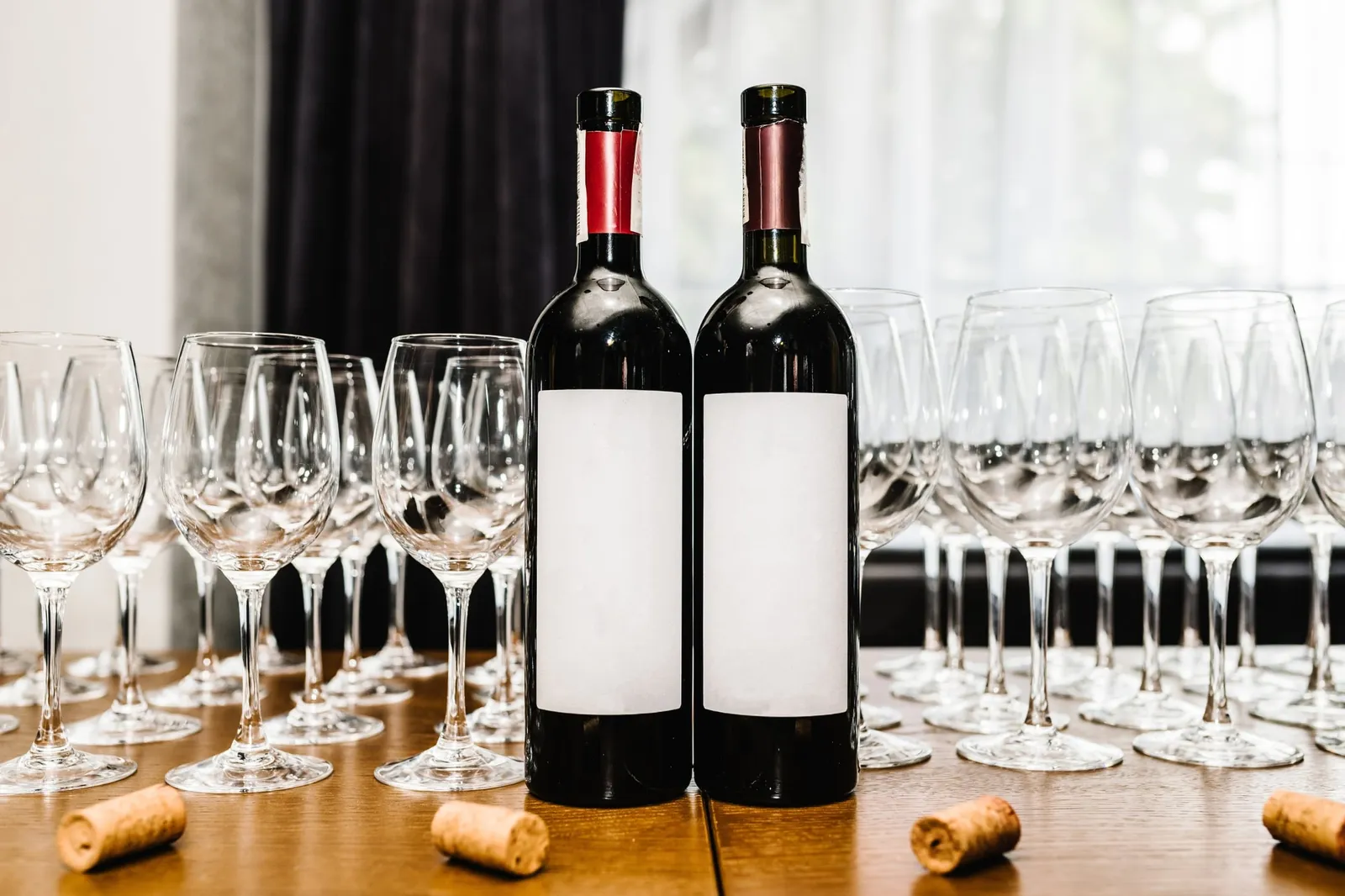
A Brief History of Wine Labels
From ancient civilisations to the mass printing of labels, wine label designs have evolved. Today, modern wine labels reflect a combination of tradition and innovation, with an emphasis on captivating packaging and branding.
From ancient civilisations to mass printing
Let’s take a trip back in time and look at the roots of wine label designs. Ancient civilisations didn’t have printing presses, but they sure knew the importance of a good label. They etched symbols into clay or metal, telling stories of vineyards and vintages before paper was even an option.
These early markings were the ancestors of our modern labels.
As centuries passed, winemakers began to see the value in distinguishing their bottles from others. With the invention of mass printing during the Industrial Revolution, suddenly wine labels became more than just practical; they turned into an art form.
Vineyards were able to produce beautiful, intricate labels on a large scale. This period gave rise to some classic vintage styles that still influence modern design today, think elegant scripts and timeless motifs reminiscent of old European wine labels.
The evolution of modern wine labels
Modern wine labels have undergone a significant transformation, embracing contemporary trends and innovative design approaches. Winemakers are opting for minimalist designs, using clean lines and bold typography to create eye-catching labels that stand out on the shelves.
Non-traditional colours and textures are being incorporated to add depth and visual interest, catering to the evolving tastes of consumers. Additionally, the utilisation of augmented reality and digital printing has allowed for interactive label experiences, providing an engaging way for consumers to connect with the brand.
In response to changing consumer preferences, wine labels now reflect a blend of tradition and cutting-edge aesthetics. The evolution of modern wine labels has seen a shift towards capturing the essence of New World wines through dynamic visuals while still paying homage to traditional labelling practices.
Current Trends in Wine Label Packaging
Modern wine label designs are embracing non-traditional colours and textures, with a focus on minimalist and cutting-edge designs. Some labels even incorporate augmented reality and digital printing to engage consumers uniquely.
Modern designs and use of texture
When creating modern wine labels, we incorporate texture to add depth and visual interest. We experiment with different materials such as embossed paper, textured foil, or tactile varnishes to create a unique sensory experience for consumers.
By incorporating texture into our designs, we aim to capture attention and create a memorable impression on the retail shelf.
Our approach to modern wine label design involves using texture strategically to enhance the overall aesthetic appeal of the packaging. Whether it’s a sleek minimalist label with subtle embossing or a bold design featuring tactile elements, we understand the importance of engaging consumers through both visual and tactile elements to stand out in today’s competitive market.
Non-traditional colours
We have seen an increasing trend in wine label designs using non-traditional colours to stand out on the shelves. Bold and vibrant hues such as electric blue, neon pink, and vivid green are catching consumers’ attention and setting modern labels apart from traditional ones.
This bold move is resonating with younger demographics who appreciate unique and unconventional designs that reflect their tastes and personalities.
Embracing non-traditional colours allows wine companies to break away from the conventional norms of earthy tones or classic black-and-white labels. By leveraging these eye-catching colours, brands can make a memorable impression while staying relevant in today’s dynamic market landscape.
Augmented reality and digital printing
Augmented reality and digital printing offer innovative ways to enhance wine label designs. Digital printing allows for intricate details, vibrant colours, and customisable elements that can bring a contemporary edge to wine labels.
With augmented reality, wineries have the opportunity to create interactive experiences for consumers by integrating digital content into their physical labels. This technology can be used to provide engaging storytelling about the wine’s origin, production process, or even food pairing suggestions, adding an extra layer of sophistication and modernity to traditional wine packaging.
When implementing augmented reality and digital printing in wine label design, it’s essential to consider the balance between novelty and authenticity. By blending these cutting-edge technologies with timeless design elements, wineries can captivate both vintage enthusiasts and modern consumers alike while staying ahead of current trends in wine label packaging.
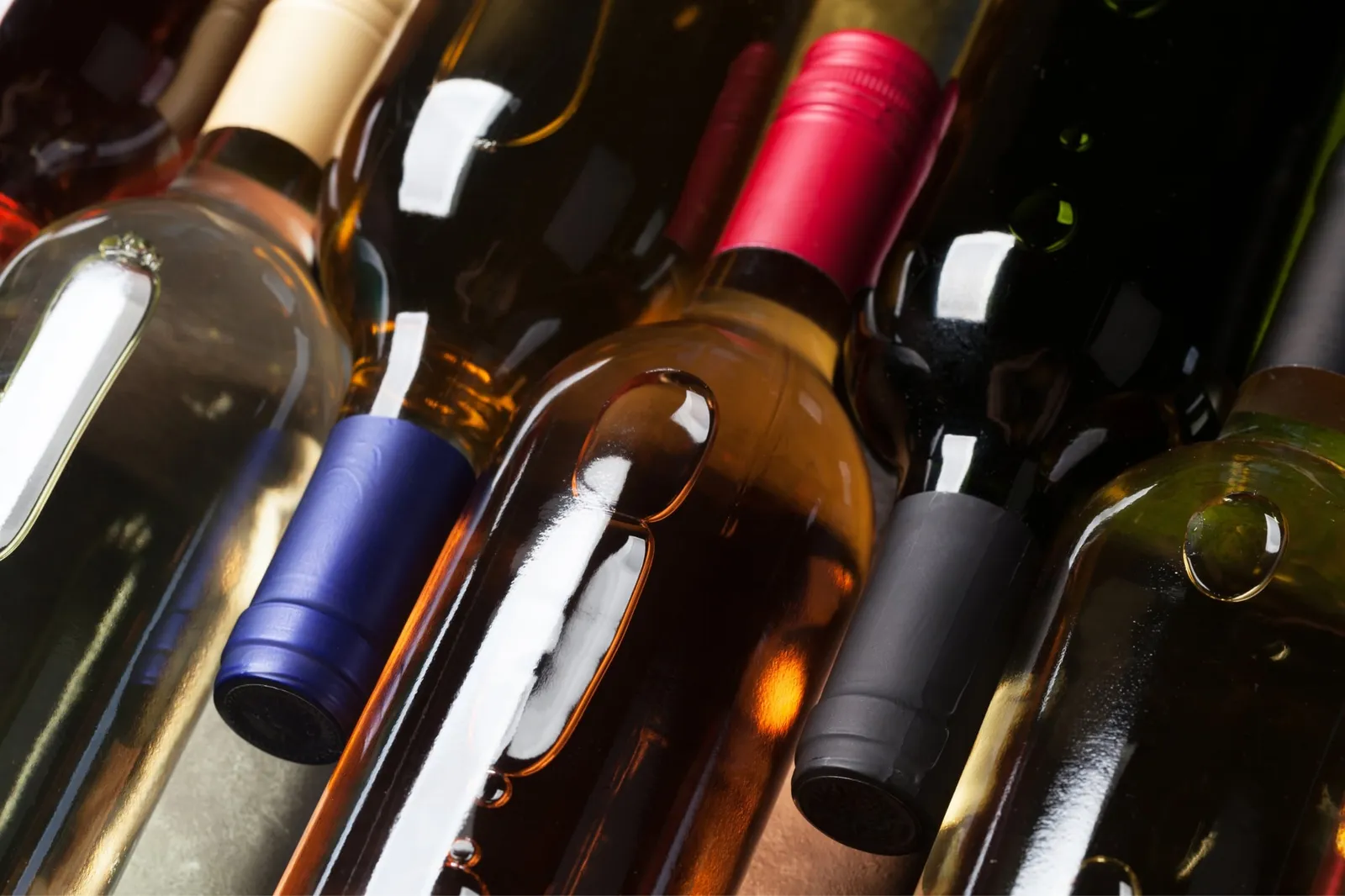
Considerations for Creating Wine Labels
When creating wine labels, it’s crucial to consider the region and vintage of the wine, as well as find a balance between tradition and innovation. Engaging with consumers through unique designs and information is also key to standing out in the competitive wine market.
Importance of region and vintage
When considering wine label design, it is crucial to highlight the importance of region and vintage. The region indicates where the grapes were grown, and this provides consumers with insight into the unique characteristics of the wine.
Additionally, showcasing the vintage year on the label allows customers to understand the specific harvest conditions and grape quality for that particular year, contributing to their appreciation of the wine’s individuality.
Winemakers should emphasise these elements on their labels to communicate authenticity and connect with consumers who are increasingly seeking wines with a sense of place and history.
Balancing tradition and innovation
When creating wine labels, it’s essential to strike a balance between tradition and innovation. Honouring the heritage and history of winemaking while also embracing modern design trends can help your label stand out on the shelf.
Utilising traditional elements such as classic fonts or vintage imagery can evoke a sense of timelessness while incorporating innovative techniques like embossing or metallic foiling can add a contemporary flair that captures consumers’ attention.
By melding traditional and modern design aspects, wine labels can appeal to a broad range of consumers, from those who appreciate classic elegance to those drawn to cutting-edge creativity.
Engaging with consumers
To capture the attention of consumers, we should consider interactive elements such as augmented reality or QR codes on wine labels. These features can provide additional information about the wine, share stories of the vineyard or winemaker, and even offer food pairing suggestions.
By creating a unique and memorable experience for consumers through engaging label designs, we can build brand loyalty and encourage repeat purchases.
In addition to digital enhancements, involving consumers in the label-creation process can be impactful. Hosting design contests or seeking feedback through social media polls allows customers to feel connected to the brand and fosters a sense of ownership.
Know More about Wine Label Designs
In conclusion, the evolution of wine label designs has been a fascinating journey from ancient civilisations to modern trends. Australian wine labels reflect the perfect blend of tradition and innovation, showcasing non-traditional colours and cutting-edge digital printing techniques.
As wine business owners, it’s crucial to consider current packaging trends while still honouring the vintage roots of wine labels to engage with consumers effectively.
Contact
Talk to us about your label
Tell us about the wine, the run size and any deadline you are working to.