
What Design Elements Make a Wine Label Stand Out on the Shelf?
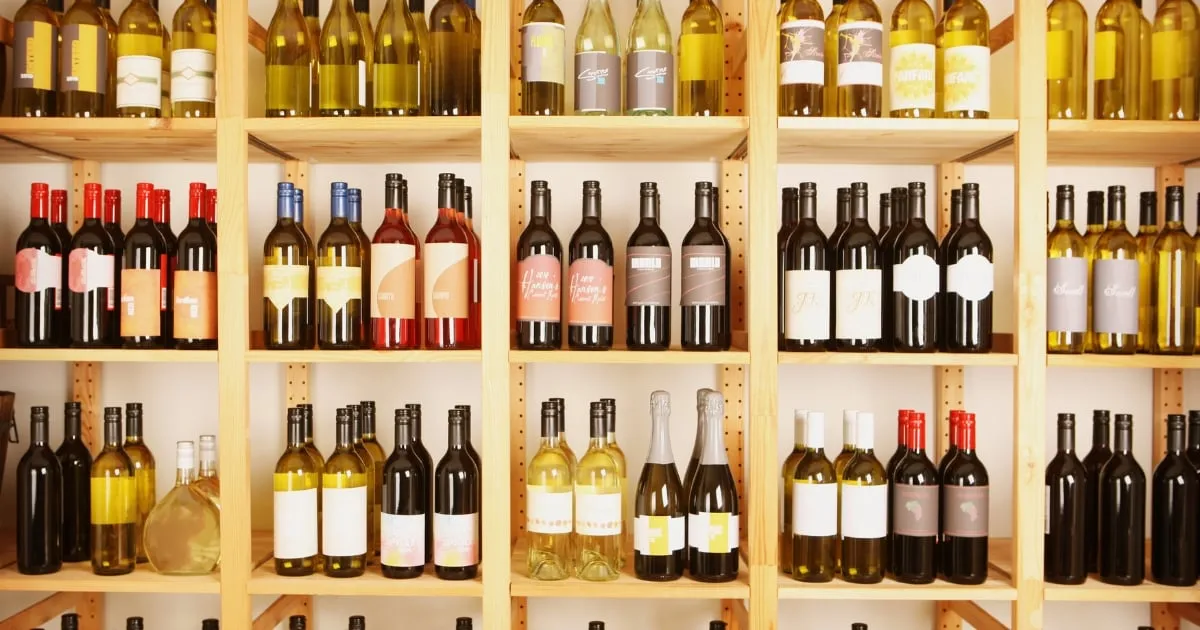
Walk into any bottle shop in Australia and you are met with a wall of glass and paper. Whether it is a boutique Hunter Valley Semillon or a bold Barossa Shiraz, your wine has about two seconds to grab someone’s attention before they move on to the next bottle.
The label is the most important part of your branding. It is not just about looking pretty; it is about telling a story and promising a certain quality before the cork is even pulled.
Here are the design elements that make a difference when a customer is deciding what to buy.
1. Texture and Paper Stock
One of the biggest mistakes brands make is choosing a flat, glossy paper. When a customer reaches for a bottle, the way it feels in their hand matters. High-quality textured paper suggests a premium product.
Using felt-marked or linen-textured stocks creates a tactile experience. When you add embellishments like high-build UV or embossing, you create physical depth. If the label feels expensive, the customer assumes the wine inside is worth the price.
2. Strategic Use of Colour
Colour is the fastest way to communicate the style of the wine. Traditional reds often use cream, gold, and deep burgundies to signal heritage and reliability. Modern, crisp whites might use bright whites, silvers, or even neon accents to suggest freshness and a contemporary vibe.
If you want to stand out, look at what your competitors are doing. If every other bottle on the shelf is white and gold, a deep charcoal label with copper foil will immediately draw the eye.
3. Typography and Hierarchy
Your label needs to be readable from a distance. The brand name or the grape variety should be the first thing a person sees. If the font is too “busy” or the text is too small, people will move on.
We see this often with personalised wine gifts. The message needs to be clear, and the font needs to match the occasion. A clean sans-serif looks modern and bold, while a traditional serif font feel established and formal.
4. Custom Shapes and Die-Cuts
Most wine labels are rectangles or squares. Breaking that pattern is a guaranteed way to stand out. A custom die-cut shape that follows the illustration or wraps around the bottle in a unique way makes the bottle look bespoke.
This is particularly effective for corporate labelled products. When you are giving wine as a business gift, a custom-shaped label makes the bottle feel like a limited edition rather than just another corporate hand-out.
5. Illustration and Storytelling
People buy stories. An original illustration, a hand-drawn map of the vineyard, or even a quirky character can create an emotional connection.
For a wedding, this might mean incorporating elements of the venue or a custom monogram. On a retail shelf, a unique illustration gives the customer something to remember. They might forget the name of the winery, but they will remember the bottle with the hand-drawn magpie or the gold-foiled sun.
Technical Details That Matter
Beyond the look, a label must be functional. Australia has harsh conditions, and your label needs to survive them.
- Ice Bucket Performance: If you are selling white wine or sparkling, the label must be printed on “ice bucket” stock. This prevents the paper from bubbling or peeling off when the bottle gets wet.
- Scuff Resistance: Bottles rub together during transport. Using a protective matte or gloss laminate ensures the design looks perfect when it finally hits the shelf.
- Sustainability: More Australian consumers are looking for eco-friendly packaging. Using recycled paper stocks or “wash-off” adhesives can be a great selling point for your brand.
Get Your Labels Right
A great wine deserves a label that does the heavy lifting on the shelf. Whether you are a small producer or looking for a unique gift, the design is what seals the deal.
If you want to discuss how to make your next batch of wine stand out, send us an enquiry. We can help you navigate the best stocks, foils, and finishes to make sure your brand is the one people reach for.
Contact
Talk to us about your label
Tell us about the wine, the run size and any deadline you are working to.