
What Size and Shape Should My Wine Bottle Label Be to Fit Standard Bottles
The best size and shape for a wine label depend on the bottle style and how much information needs to appear on the front and back. For standard bottles, labels usually range between 85–100 mm wide and 100–120 mm high, giving enough space for key details without overpowering the bottle’s shape.
Labels that are too large can wrinkle or fold around the bottle’s curve, while small labels may not provide enough room for branding and required information. Finding the right balance helps the design look professional and fit neatly without distortion.
This guide explains how to choose the right label dimensions for common bottle styles used in Australia and how shape, curvature, and placement affect both design and usability.
Start with the Bottle Style
The first step in choosing a label size is understanding the bottle type. Each wine bottle has its own shape and dimensions, which influence how the label fits and appears once applied.
| Bottle Style | Typical Use | Recommended Label Size (W x H) | Notes |
| Bordeaux (Claret) | Common for red wines | 90 mm × 100–110 mm | Straight sides make label application easy. |
| Burgundy | Used for both reds and whites | 95–100 mm × 110–120 mm | Slightly wider bottle with curved shoulders suits taller labels. |
| Alsace / Riesling | Tall, narrow white wine bottles | 80–85 mm × 110–120 mm | Slim profile requires narrower labels to avoid creasing. |
Knowing the bottle shape helps determine label proportions, placement, and visibility. A well-fitting label sits neatly without bending, maintaining a clean and professional look.
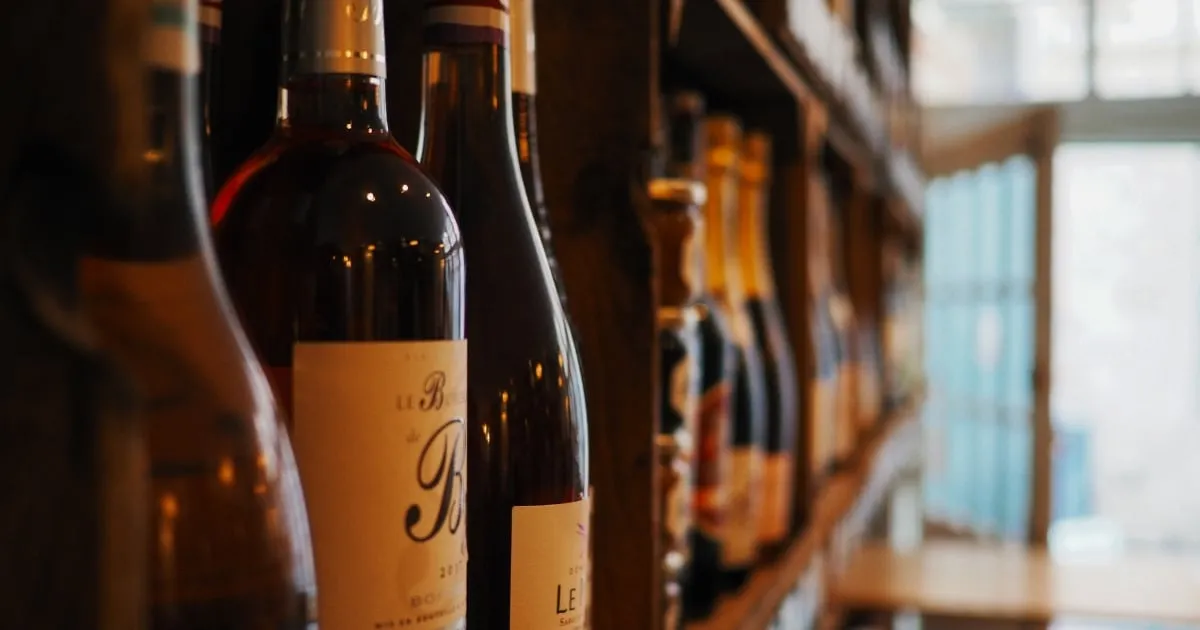
Account for Curvature
Bottle curvature is one of the main factors that affects how a label fits. Most wine bottles have rounded sides, and a label that looks perfect on a flat surface can wrinkle or lift when applied to a curved surface.
Before finalising the design, measure the bottle’s widest point and test different label templates on it. A label that covers too much of the curve can distort text or artwork, while one that’s too narrow may look unbalanced.
For standard bottles, rectangular labels work best because they adapt well to slight curves. If the bottle has deeper contours, a smaller or custom-cut label will provide a cleaner fit.
A well-fitted label should sit flat without folds or air bubbles. Testing with printed samples ensures the design looks as intended once applied to the bottle.
Front, Back, or Wraparound Labels
Label placement affects both design and usability. Most wine bottles use separate front and back labels, while some use a single wraparound label. Each option serves a different purpose and influences how the wine is presented.
| Label Type | Purpose | Details Included | Best For |
| Front Label | Main visual focus | Brand name, wine type, vintage, logo | Creating strong shelf appeal and clear branding |
| Back Label | Informational | Alcohol content, standard drinks, volume, allergens, lot identification, supplier name and street address, pregnancy warning label, tasting notes | Providing required details and product background |
| Wraparound Label | Combined front and back design | All visual and legal information in one layout | Small bottles or minimalist designs |
Choosing the right layout depends on how much information needs to appear and the style you want to achieve. Whichever format you use, the text should remain clear and the design consistent from all angles.
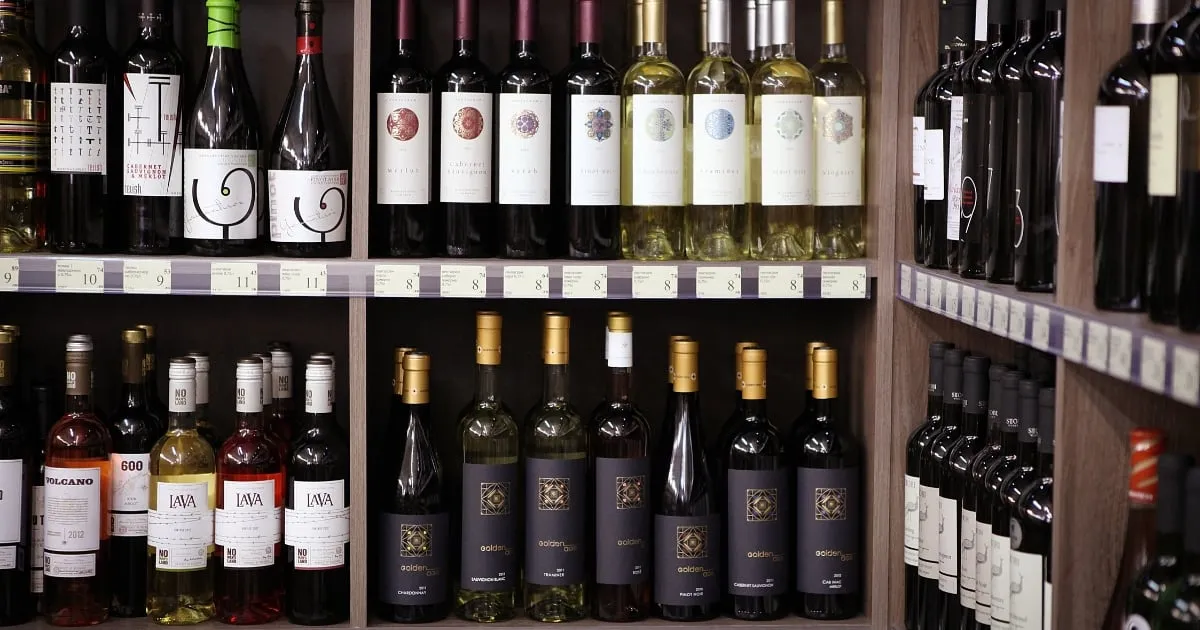
Design and Fit
A label should complement the bottle’s shape and highlight its best features. The design must align with the bottle’s proportions to create balance and visual harmony.
Labels that are too tall or wide can overpower the bottle, while small labels may appear lost. Keep key elements like the logo and wine name centred and positioned for easy visibility.
When choosing colours and finishes, think about how they interact with the glass. Lighter labels stand out on dark bottles, while textured or rich tones enhance the look of clear bottles.
Consistency between front and back labels also strengthens the design. Matching fonts, spacing, and tone gives a cohesive, professional result.
Testing and Printing
Before final production, test the label on the actual bottle to confirm size, fit, and placement. A physical sample helps identify small adjustments that might not be visible on screen.
Review how the label looks under different lighting and at various angles. Paper finishes such as gloss, matte, or texture can appear differently once applied to glass.
Working with local printers who specialise in wine labels helps achieve accurate colour, strong adhesion, and clean cutting. They can also advise on the best materials for different storage environments, such as chilled or humid conditions.
Always review a printed proof before large-scale production to confirm colour accuracy, text clarity, and alignment. Small checks at this stage help avoid costly reprints.
Partner with Prestige Wine Labels
Prestige Wine Labels helps Australian wineries and businesses design and print wine labels that fit standard bottles perfectly. The team focuses on sizing, design balance, and print precision to ensure each label enhances the bottle’s presentation and reflects brand identity.
Each project is completed with care, producing durable, high-quality labels that meet local industry standards and maintain their appearance during handling and storage.
Frequently Asked Questions
What is the standard wine label size for Australian bottles?
Most Australian wine bottles use labels between 85–100 mm wide and 100–120 mm high. This size fits neatly on standard bottles without wrinkling or covering too much of the curve.
Can I use different label shapes for the same wine range?
Yes. Using varied shapes such as oval, square, or die-cut designs can help distinguish product lines, but it’s best to keep consistent sizing and placement to maintain brand recognition.
Do label dimensions affect compliance?
Yes, in parts. The label as a whole has no prescribed size, so you are free to choose its dimensions. Several things printed on it do carry minimums, though: the volume marking has a minimum character height that scales with package size, warning statements have their own minimum height, and the pregnancy warning label is a prescribed mark with set minimum dimensions, colours and wording. The practical upshot is that the label must be large enough to carry alcohol content, standard drinks, net volume, allergens, country of origin, lot identification, supplier name and street address, and the pregnancy warning label, all at legible size.
What’s the best way to check label fit before printing?
Print a test label on standard paper and wrap it around the bottle. This simple test confirms spacing, readability, and placement before full production.
Where can I order custom wine labels in Australia?
You can order wine with custom-designed labels through Wine Design’s personalised wine service.
Contact
Talk to us about your label
Tell us about the wine, the run size and any deadline you are working to.